

Our sludge removal services recover dense or settled material that ordinary pumping can leave in sewage tanks, chambers and wastewater systems. The method depends on the depth, consistency and composition of the deposit rather than the liquid level alone.
Sludge Removal Services
Sludge removal for dense deposits that remain in tanks and chambers after ordinary liquid recovery.
HomeSludge Removal ServicesSludge Removal Services enquiry
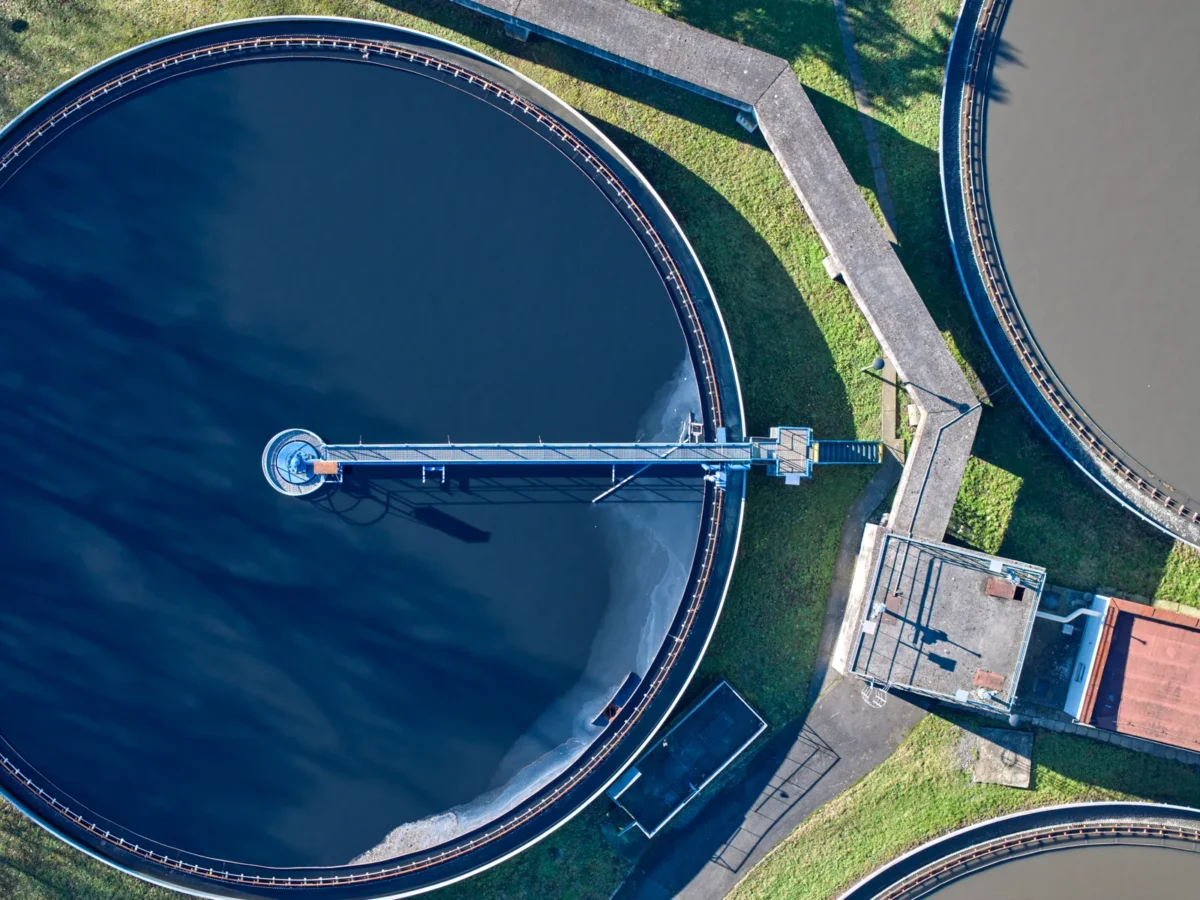
Sludge condition
Depth, density, fibres, grit and grease influence the removal method and receiving requirements.
Cleaning coverage
The areas reached matter as well as the volume collected, particularly where sludge has settled unevenly.
Sludge consistency and composition
Sewage sludge can range from a mobile suspension to compact material containing grit, grease or fibres. The way it has accumulated and any process contamination can affect how it is loosened, recovered and accepted at a receiving facility.
Recovery from the tank or chamber floor
Internal structures and access openings determine which areas can be reached. Where sludge needs loosening or washing, the resulting liquid and solids require controlled recovery rather than being sent into an outlet or moved elsewhere in the system.
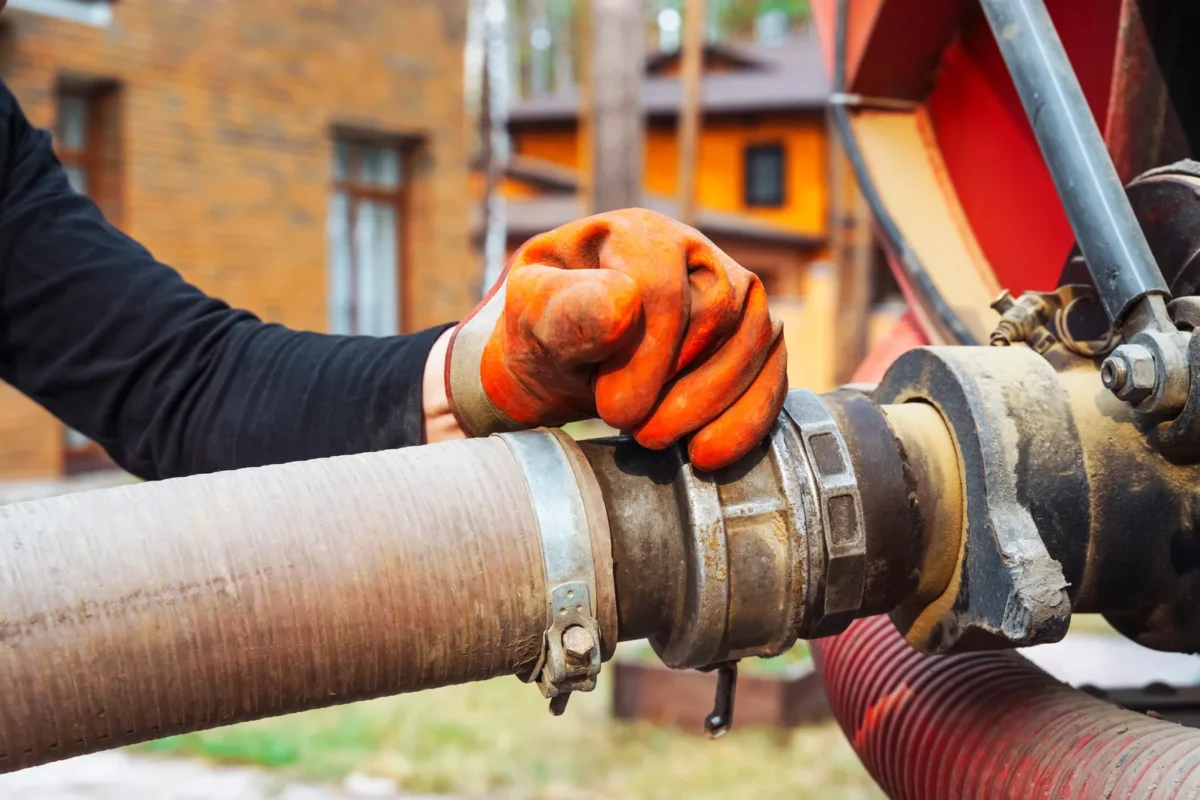
Sludge removal services
Complete the form and we will get back to you.
Remaining deposits after removal
The volume collected does not prove that the floor or every compartment is clear. The result should identify the areas treated and any remaining deposit that could affect inspection, maintenance or normal operation.
Disturbing dense sewage sludge
Agitating sludge can change gas, splash and aerosol exposure, particularly in enclosed systems. The work therefore needs suitable controls for the material and location. Diluting a deposit also increases the liquid volume and does not automatically make compacted material easier or safer to remove.
If sludge is returning unusually quickly, the location and character of the new deposit can be noted. Changes in incoming solids, grease or process conditions may then need separate investigation.
Sludge Removal Services: common questions
Is sludge removal included in every tank emptying?
No. Ordinary pumping can leave dense or inaccessible deposits, so sludge removal needs to be included where it is required.
Does adding water always make sludge easier to remove?
No. It increases the volume and may not resolve compacted material or restricted access.
Can all collected sludge go to the same facility?
No. The source and composition determine classification, acceptance and treatment arrangements.
Can sludge disturbance change the hazards?
Yes. Agitation can affect gas, splash and aerosol exposure, so the method and controls need to suit the location and material.
Can the collected volume prove the chamber is clean?
No. The result also depends on which floor areas and compartments were reached and what deposits remain.