

Wastewater tank cleaning removes sludge and other residues that can remain after the main liquid has been recovered. The cleaning method depends on what the tank has received, its construction and the areas that need to be exposed for continued use, inspection or maintenance.
Wastewater Tank Cleaning
Wastewater tank cleaning removes retained sludge and residues after bulk liquid recovery.
HomeWastewater Tank CleaningWastewater Tank Cleaning enquiry
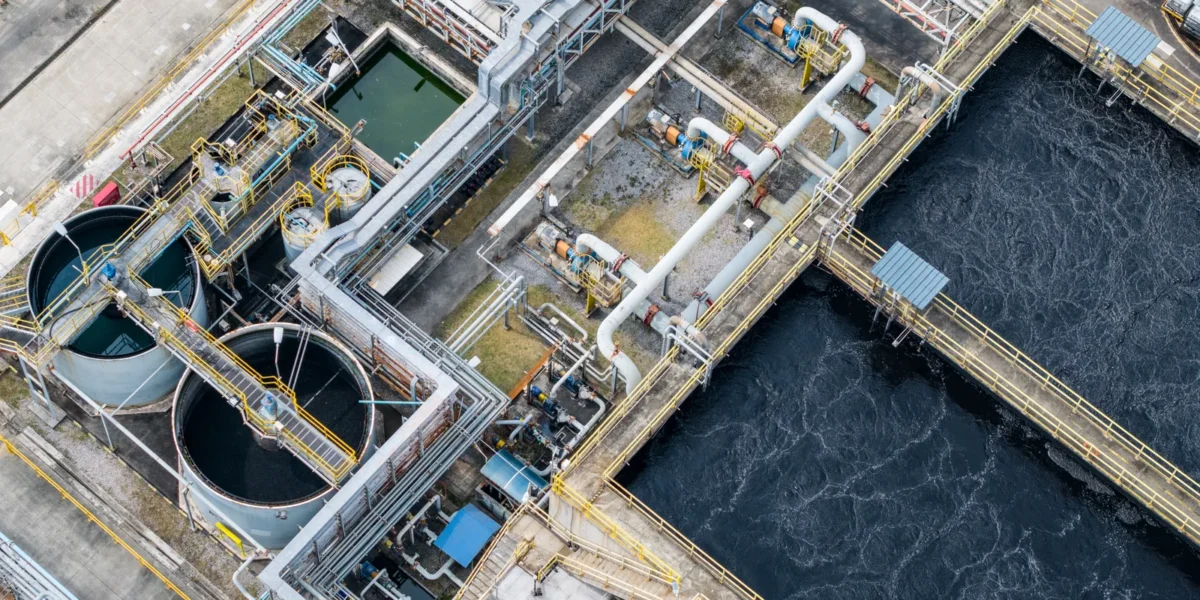
Wastewater composition
The source and contents affect both the cleaning method and the receiving arrangements for recovered material.
Internal deposits
Sludge, grease and residue can remain on floors, walls and behind internal divisions after bulk pumping.
Wastewater and retained residues
A collection tank may contain sewage, wash water or process wastewater. The source, previous contents and any available analysis help establish whether settled sludge, floating material, grease or chemical residues are present and how the recovered material should be handled.
Access to internal surfaces
Compartments, baffles and access openings determine which floors, walls and fittings can be reached from outside the tank. If entry cannot be avoided, confined-space assessment, competent personnel and emergency arrangements are required before entry takes place.
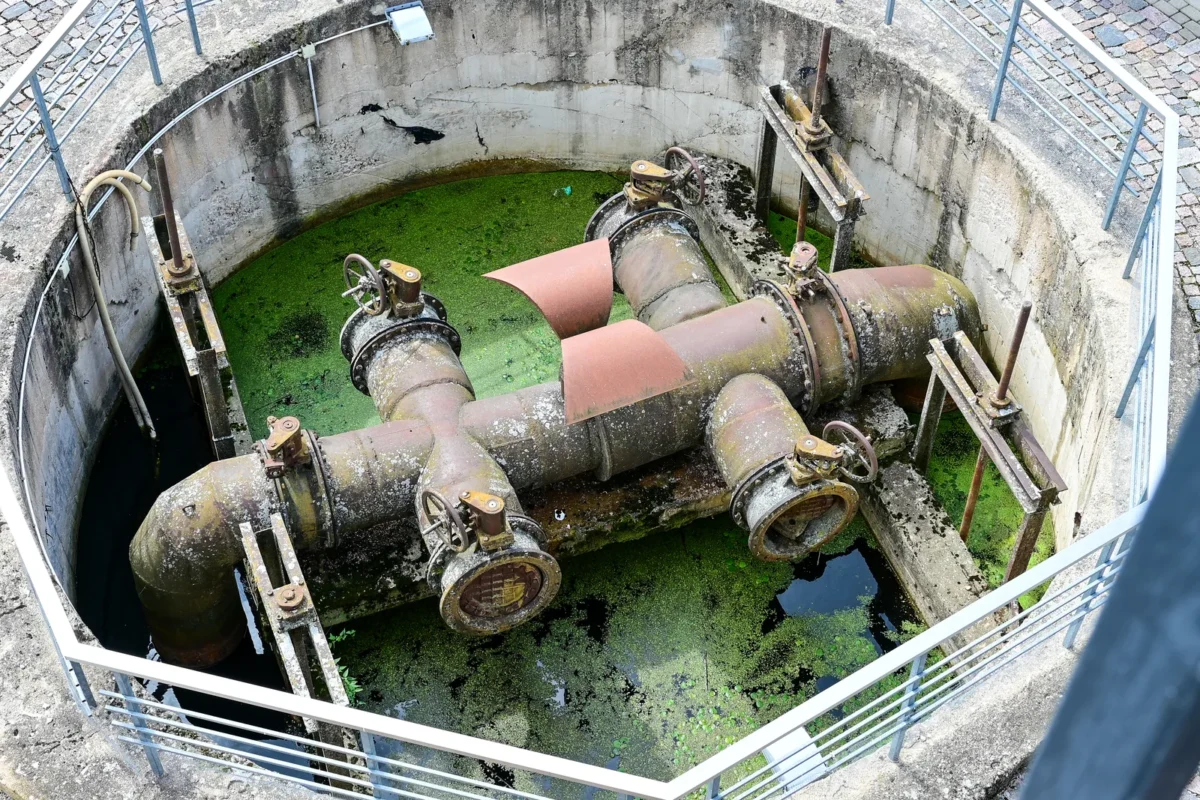
Wastewater tank cleaning
Complete the form and we will get back to you.
Condition after cleaning
Cleaning can expose coatings, connections and fittings that were hidden by deposits, but it does not establish structural, mechanical or electrical integrity. The completed work should distinguish the surfaces reached from any repair, leak test or specialist inspection still required.
Wastewater composition and receiving requirements
Process washings may contain oils, chemicals or solids not present in domestic sewage. The receiving facility therefore needs enough information about the actual liquid to decide whether it can accept it.
Loosened deposits and wash water need controlled recovery so removed contamination is not sent into another part of the system.
Wastewater Tank Cleaning: common questions
Does pumping out the liquid clean the tank?
Not necessarily. Sediment and attached deposits can remain on internal surfaces or behind partitions after the accessible liquid has been removed.
Why does the wastewater source matter?
Process washings, sewage and other wastewater can contain different chemicals and solids, which affect handling and receiving-site acceptance.
Will cleaning include a leak test?
Only if a suitable test is separately included. Exposing a surface or noting its visible condition is not the same as testing tank integrity.
Can the tank be entered once it looks empty?
No. An empty appearance does not establish a safe atmosphere. Any necessary entry requires a confined-space assessment and appropriate controls.
What if the tank is being cleaned for inspection or repair?
The areas that need to be exposed should match the next task, so deposits are removed from the relevant surfaces without treating cleaning as the inspection or repair itself.