

Raw sewage removal recovers waste from tanks, chambers and affected property. The method depends on whether the sewage is contained or spread across surfaces, the debris present and whether fresh sewage is still entering the area.
Raw Sewage Removal
Raw sewage removal from tanks, chambers and affected property, followed by cleaning where contamination remains.
HomeRaw Sewage RemovalRaw Sewage Removal enquiry
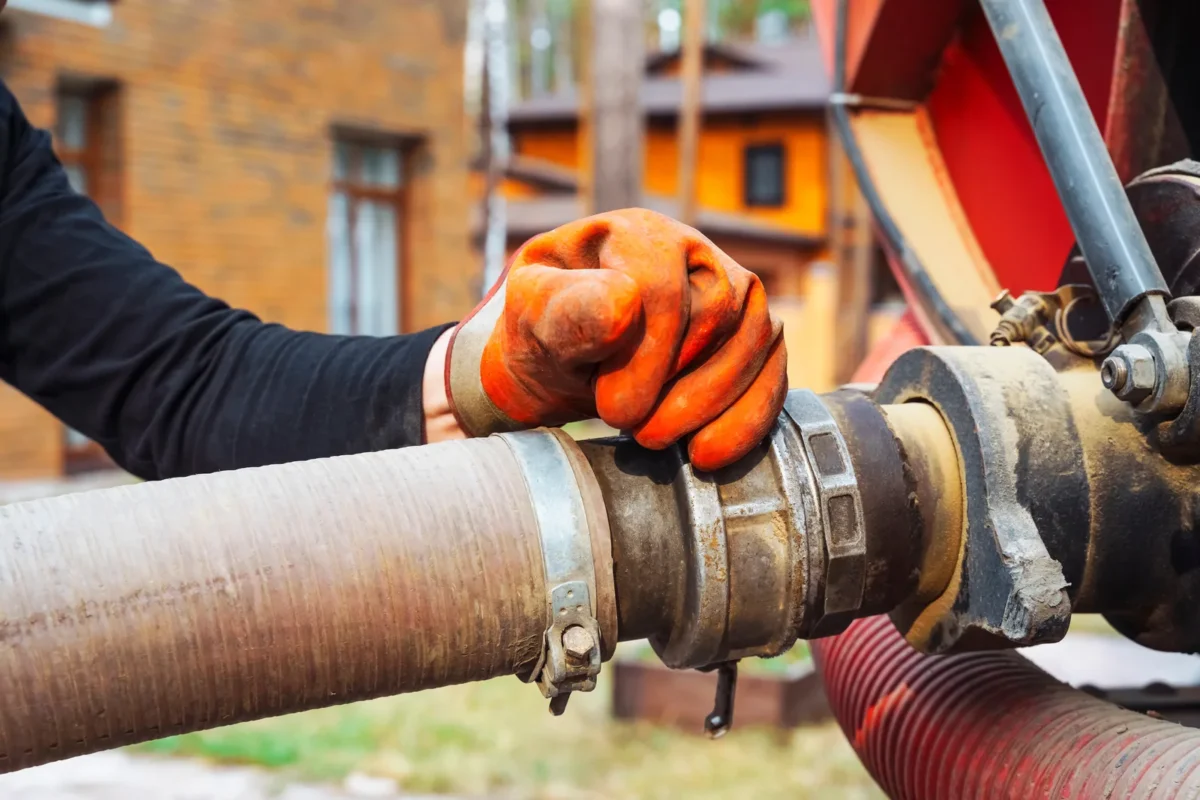
Contained or spread sewage
The location and depth of the waste affect the recovery method and the risk of spreading contamination.
Contaminated surfaces
Bulk removal can leave residue, solids and affected materials that need separate cleaning or removal.
Contained sewage and spread contamination
A tank or chamber presents different recovery conditions from sewage spread across rooms, yards or uneven surfaces. Depth, solids and the shape of the affected area influence how waste can be collected without spreading contamination further.
Incoming sewage, debris and hazards
Wipes, rags and other debris can obstruct recovery equipment, while ongoing inflow can replace the sewage being removed. Electrical and structural hazards also need to be dealt with before equipment is used in affected areas.
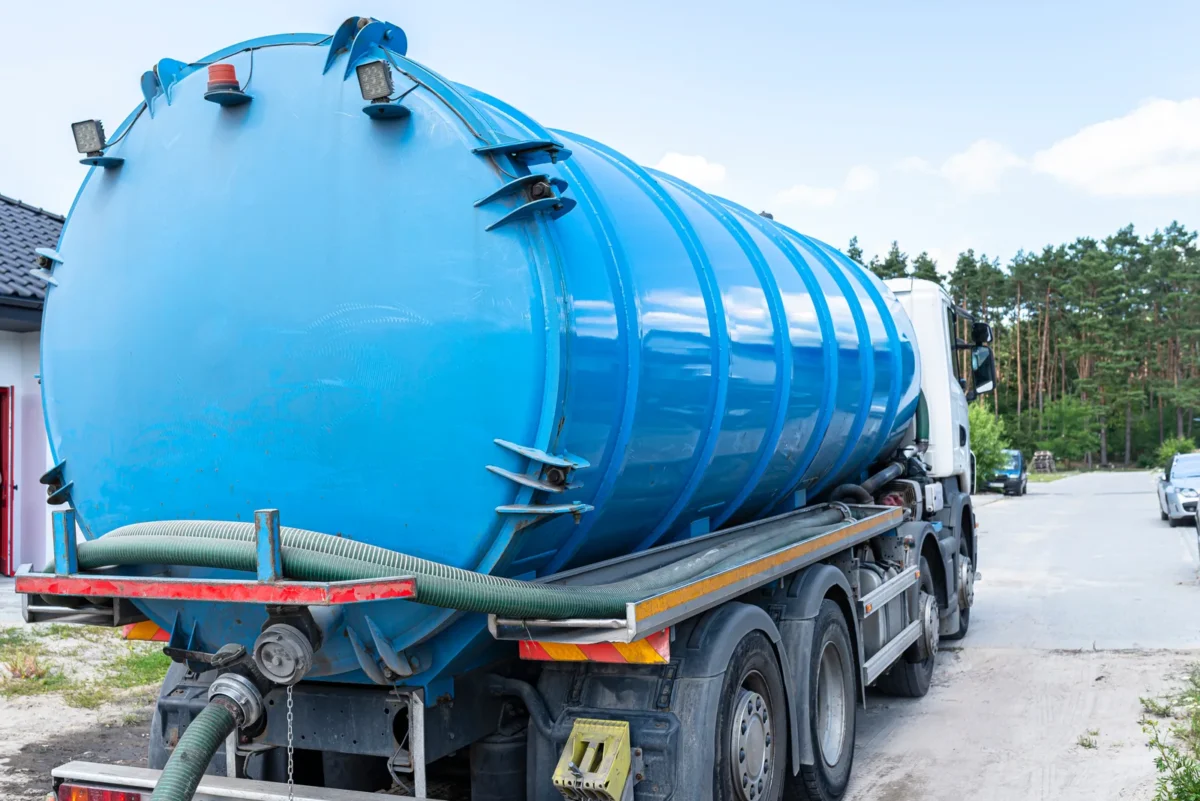
Raw sewage removal
Complete the form and we will get back to you.
Cleaning after bulk sewage removal
Standing sewage can leave solids, residue and contamination behind. Surface cleaning, assessment of absorbent materials, drying and correction of the original drainage or pump fault may still be required after bulk recovery.
Exposure during sewage recovery
Sewage exposure can occur through contaminated hands, splashes, damaged skin, sharp items and aerosols. Pumping or dilution does not make the material harmless, and an apparently shallow or empty area does not establish that enclosed access is safe.
The receiving arrangements also depend on what has mixed with the sewage. Oil, chemicals or another waste stream can change how the recovered material needs to be described and accepted. Collection should preserve that distinction rather than treat every liquid as ordinary domestic sewage.
Raw Sewage Removal: common questions
How can people be exposed during raw sewage recovery?
Exposure can occur through contaminated hands, splashes, damaged skin, sharp items and aerosols, so the work needs suitable hygiene and contamination controls.
What affects the collection method?
Volume, depth, debris, ongoing inflow, access and whether the sewage is contained or spread all matter.
Is the area ready to use once the sewage is removed?
Not automatically. Cleaning, drying, material assessment and utility checks may still be required.
Does raw sewage removal include property disinfection?
Only where that cleaning is included. Bulk collection and treatment of contaminated surfaces are separate stages.
What if oil or chemicals have mixed with the sewage?
The mixed material needs to be described and assessed as it is. It should not be assumed to have the same receiving route as ordinary domestic sewage.