Identify the function of the tank or chamber
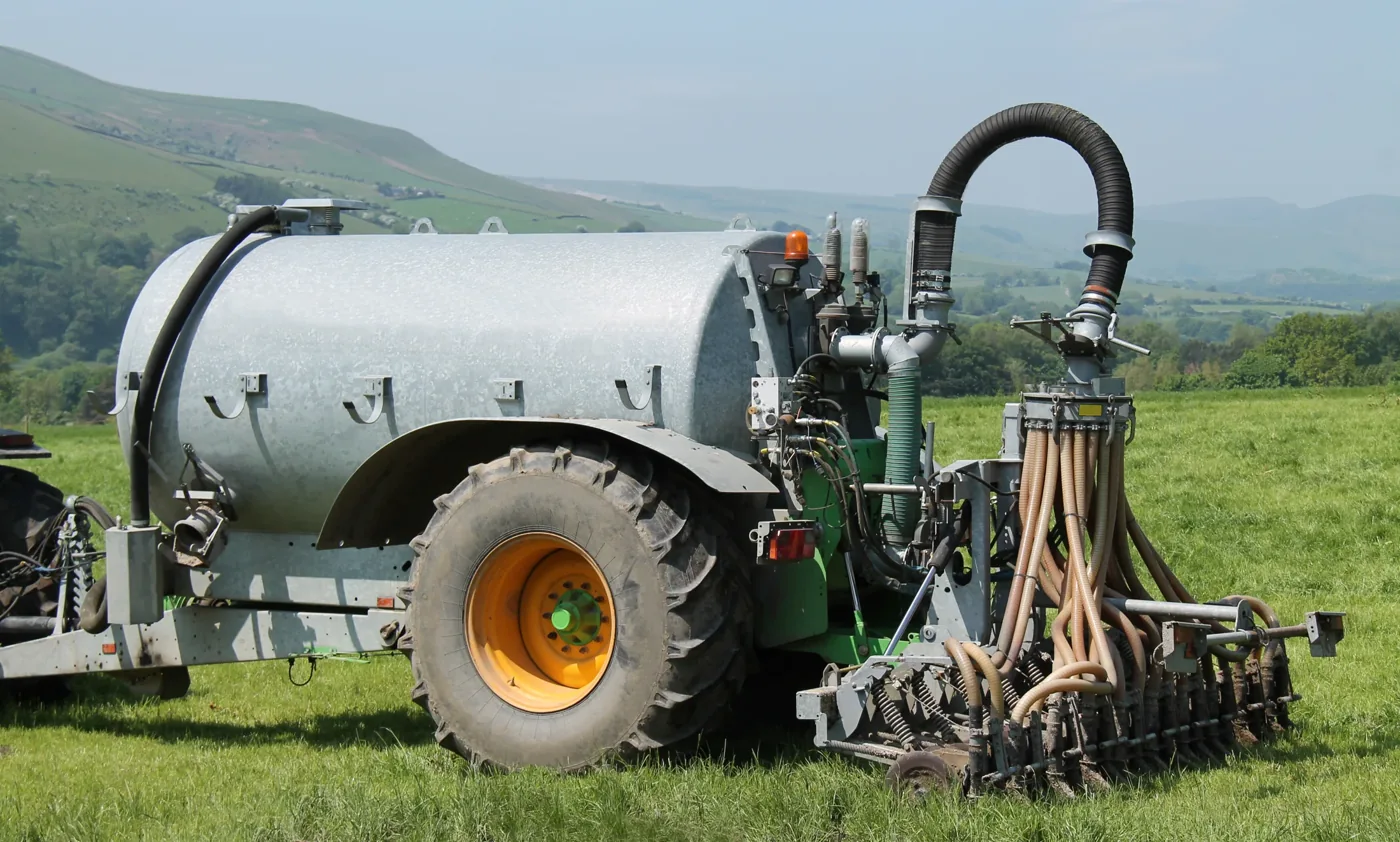
A holding tank stores contents, a treatment system processes wastewater and a wet well collects flows for pumping. Each has different internal features and operating conditions. Identify the installation, its connections and any equipment within the area to be cleaned.
Available drawings and maintenance records can help explain compartments, access openings and connected flows. Where information is incomplete, identify the uncertainty. A generic tank description does not establish which components can be reached or how the system needs to be prepared for work.
Describe the material remaining after recovery
Bulk liquid removal and deposit cleaning are different stages. Settled grit, adherent grease and fibrous material can remain on floors, walls or around equipment after pumping. The location and behaviour of those deposits help determine the cleaning approach.
Include information about the source of the wastewater and any known process contributions. The recovered material needs an appropriate assessment and destination. A domestic sewage description may not explain a mixture containing additional industrial residues or other contaminants.
Coordinate flows, access and equipment responsibilities
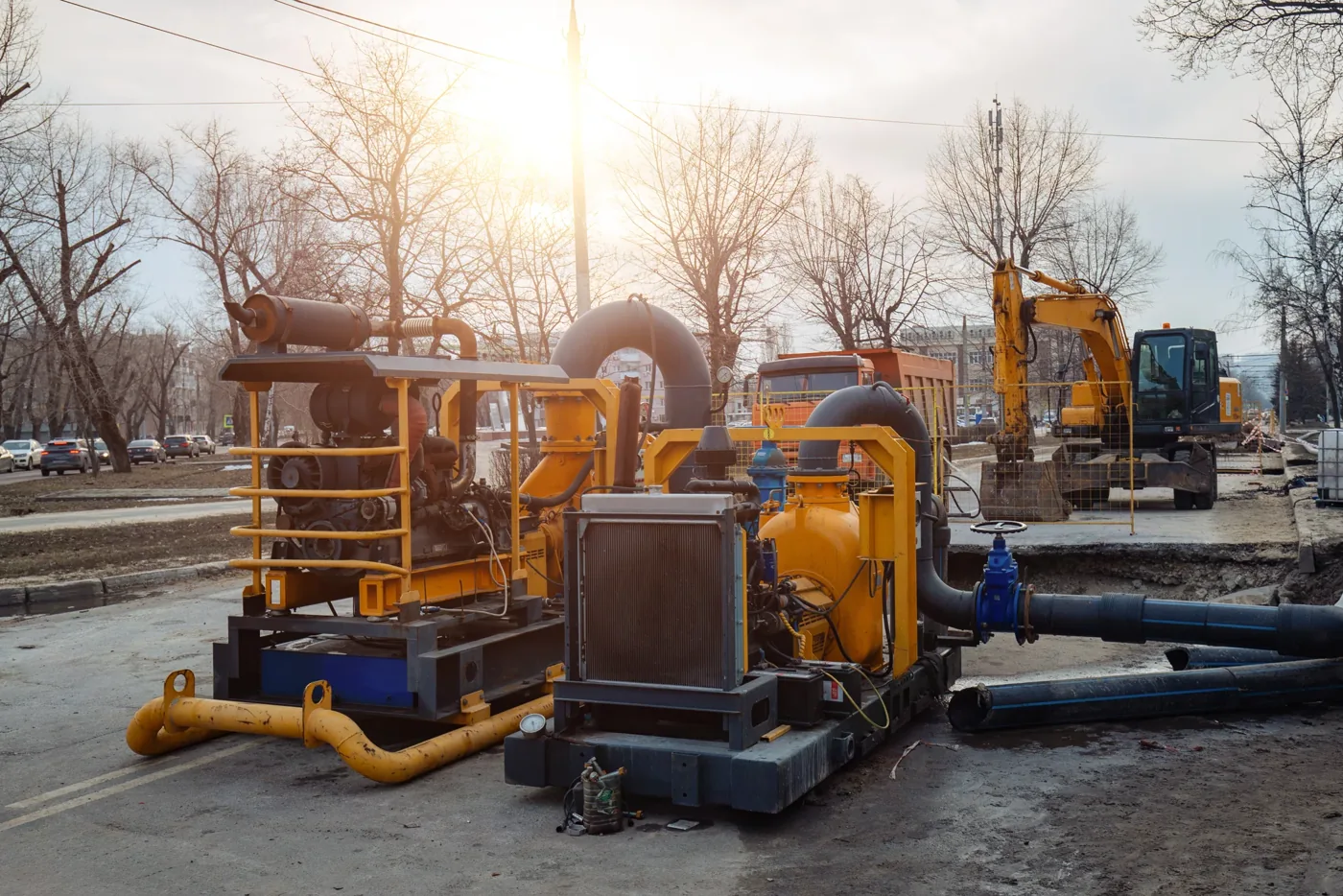
Cleaning arrangements need to account for incoming flow and the condition in which the installation will be made available. Pumps, controls and connected equipment can introduce dependencies on the site maintenance team. Responsibilities for preparation, isolation and any restart need to be clear within the working arrangements.
Describe available openings, vehicle access and the distance to the work area. Methods that can operate from outside the vessel should be considered in the assessment. Any work involving entry is a separate matter requiring the controls appropriate to the actual confined-space conditions.
Specify what clean means for the next task
The required condition may be removal of accumulated deposits, preparation for inspection or access for a separate maintenance activity. These outcomes are not interchangeable. Identify the surfaces or components included and any parts that cannot be reached within the agreed work.
A completion record should connect the work with that requirement. Remaining deposits, access limitations and visible defects exposed during cleaning need to remain distinguishable. Cleaning does not itself replace a condition survey, repair or equipment commissioning process.
Distinguish cleaning from equipment maintenance
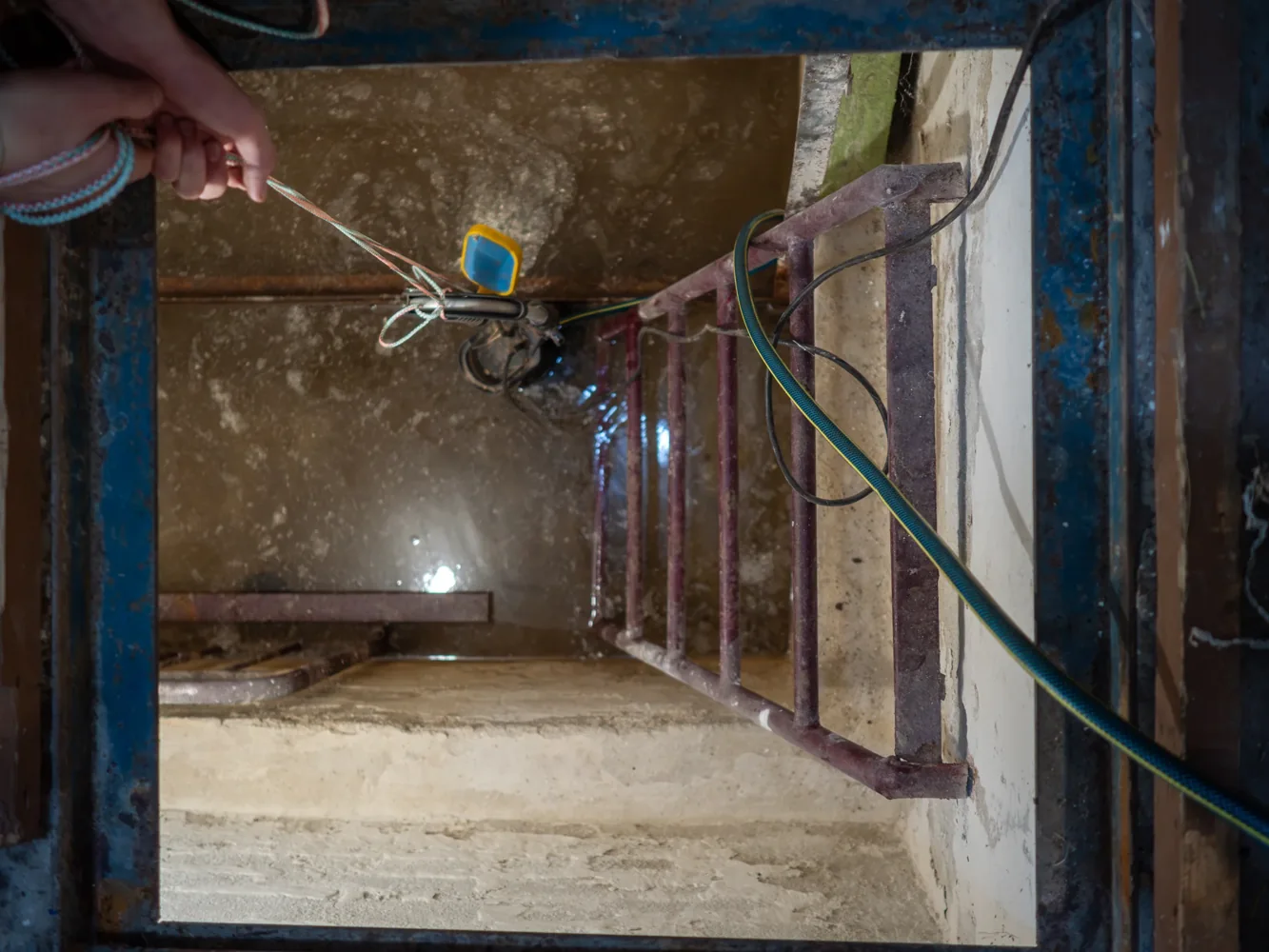
Cleaning a wet well can expose pump intakes, guide rails, level sensors and other equipment previously obscured by deposits. Removing accumulated material may improve access for inspection, but it does not establish whether a pump, float switch or control system is functioning correctly. Mechanical and electrical checks are separate activities.
Holding tanks and wastewater process vessels can also contain internal pipework, baffles or other fittings that affect access. The final condition should identify which deposits have been removed, which surfaces were accessible and whether any remaining material could interfere with the next planned task. Restart and equipment testing remain separate from confirmation that the specified cleaning work has been completed.