

Emergency sewage removal reduces rising levels or recovers waste after an active release. The immediate work depends on where the sewage is appearing, whether more is arriving and what fault or blockage is causing the incident.
Emergency Sewage Removal
Emergency sewage removal for rising levels, pump failures and active releases requiring urgent recovery.
HomeEmergency Sewage RemovalEmergency Sewage Removal enquiry
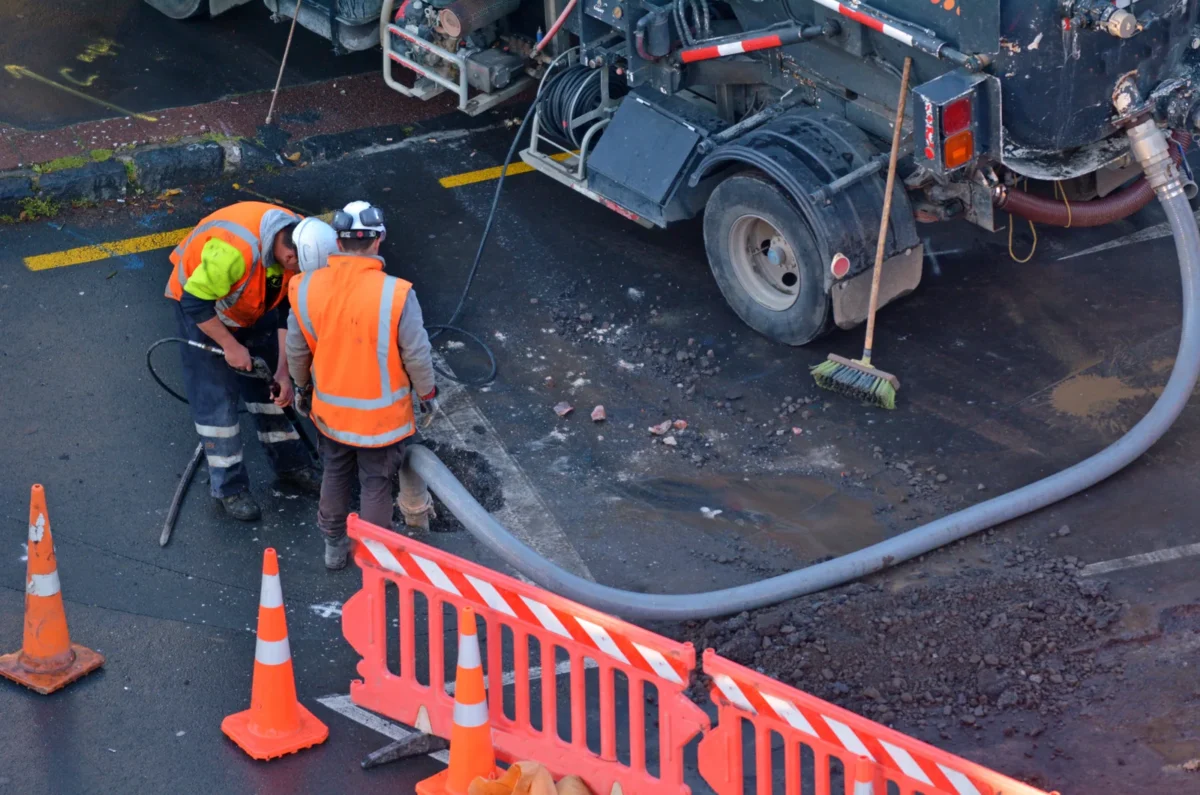
Active inflow
The rate at which sewage is arriving affects whether recovery provides temporary storage or needs to continue alongside repair.
Source control
A failed pump, blockage or other fault needs separate repair even when emergency pumping lowers the level.
Immediate safety around sewage
Keep people away from contaminated areas, avoid using connected facilities where this adds to an overflow and do not enter tanks or flooded chambers. Where there is immediate danger to people, the site emergency procedure and emergency services take priority.
Rising levels and continuing inflow
A failed pump, full holding tank and backed-up sewer can all create high levels but need different follow-on work. Recovery can lower the level while the active inflow and system condition are managed.
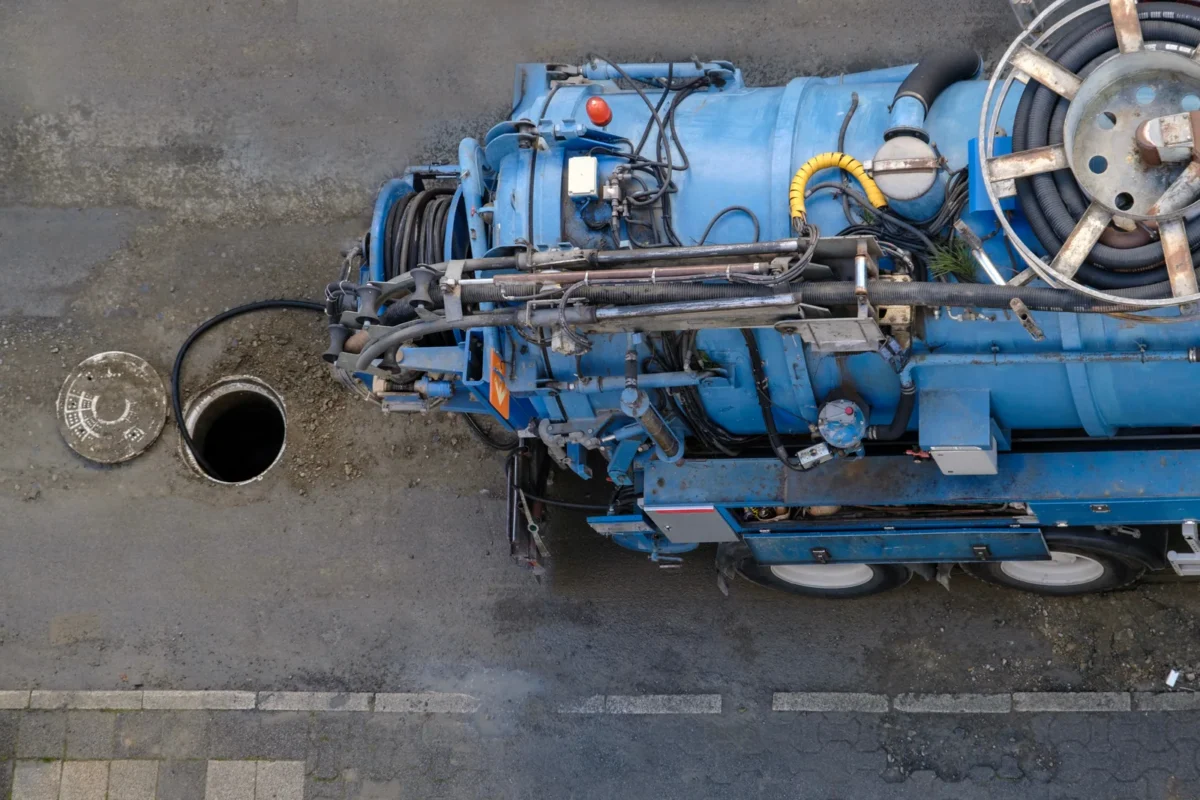
Emergency sewage removal
Complete the form and we will get back to you.
Temporary recovery and permanent repair
Lowering the level deals with the immediate consequence of a failed pump, blockage or other fault. The underlying fault still needs the appropriate repair or drainage work before the system can be relied on normally.
Temporary capacity after pumping
Emergency pumping may create temporary storage while repair is arranged. How long that capacity lasts depends on continuing use and the rate of inflow.
Sewage left on floors, yards or other surfaces may still need recovery and cleaning once the source is controlled. If pollution has reached water or land, the incident may also need to be reported to the relevant environmental regulator.
Emergency Sewage Removal: common questions
What matters most during an active sewage incident?
Where sewage is appearing, whether the level is rising, whether people are exposed and whether electrical or other immediate hazards are present.
Will emergency removal repair a failed pump?
No. Pumping can lower the level temporarily, but the pump fault needs appropriate repair and return-to-service checks.
What if sewage reaches a stream or other water?
Keep clear and report the pollution promptly to the relevant environmental regulator while source control and recovery are arranged.
Can occupied facilities keep using the system during pumping?
That depends on the inflow and temporary capacity. Use may need to be restricted so recovery is not immediately overtaken by new sewage.
How is attendance for an emergency sewage incident confirmed?
Any attendance time needs to be confirmed for the individual incident. No fixed response time should be assumed unless it has been specifically agreed.