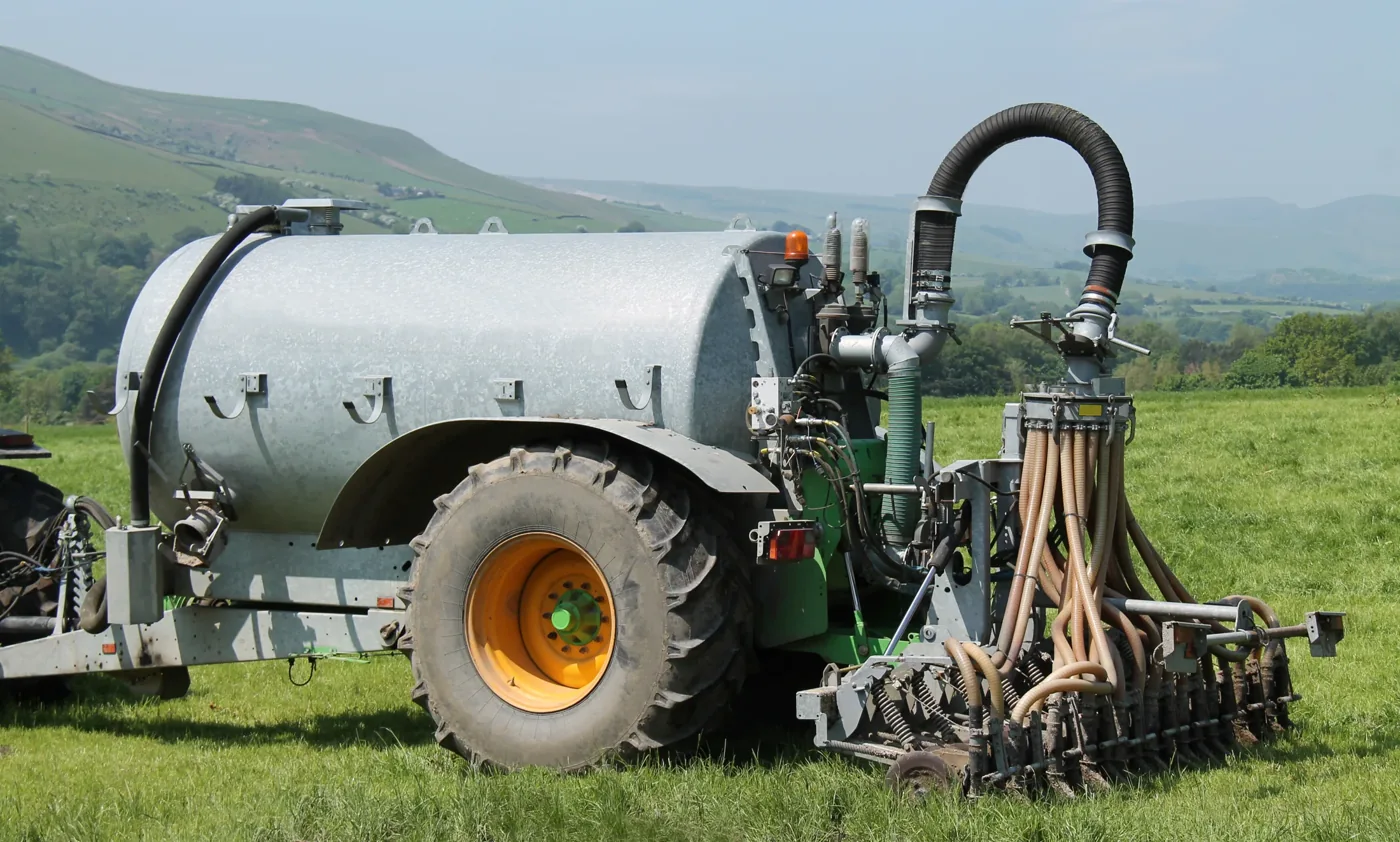
Farm tanks can contain very different liquids. Learn how to identify domestic sewage, livestock slurry and contaminated yard washings before arranging collection.
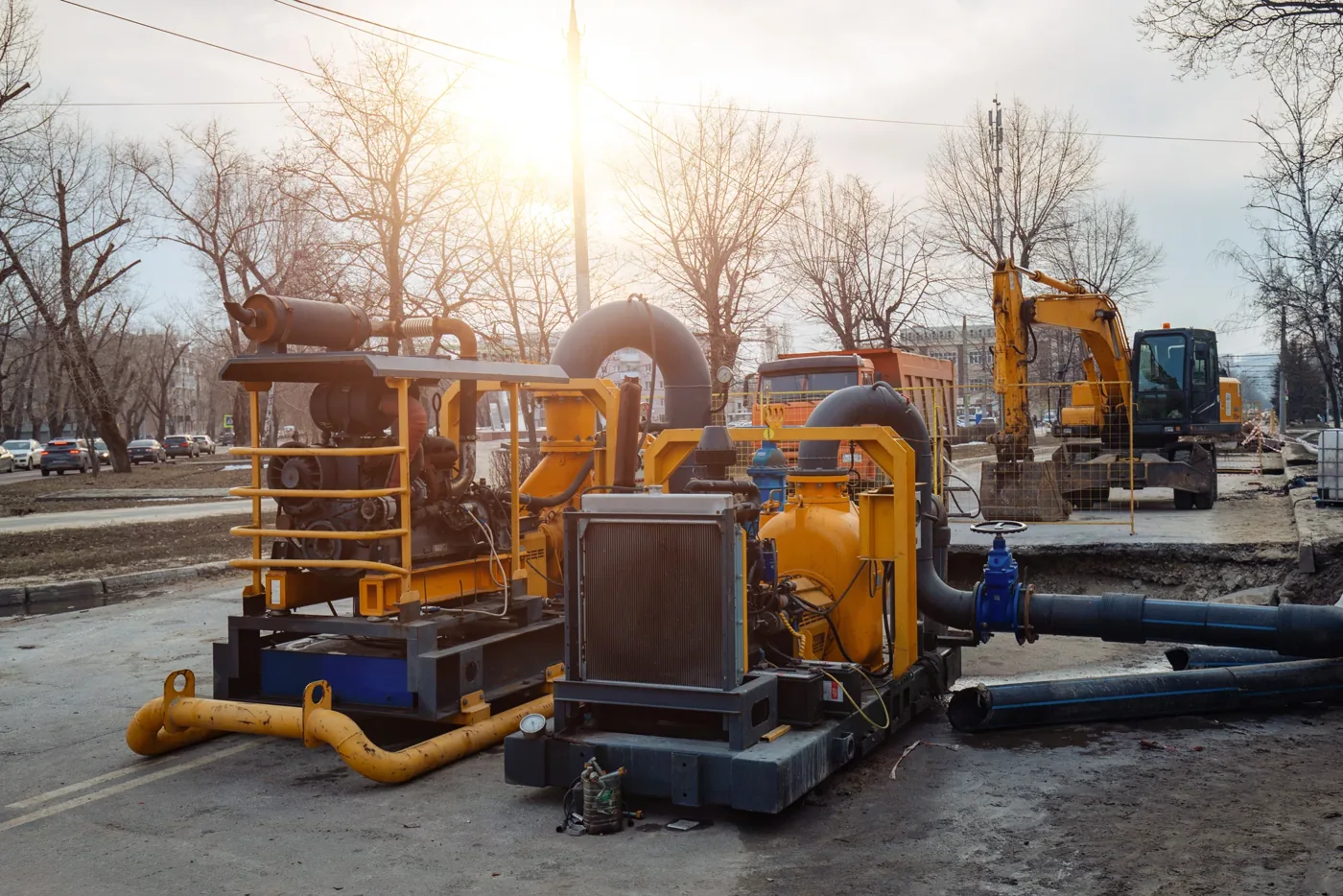
Factory sewage tank cleaning may be compatible with continued production if incoming flows, equipment isolation and wastewater storage can be managed. The deciding factor is how the cleaning work affects connected facilities and operating systems.
Basement sewage can return when the drainage restriction, pumping fault or backflow route that caused the original release remains in place. Effective recovery separates contamination cleaning from corrective drainage work.
Heavy rain can increase sewage-tank levels through groundwater infiltration, surface water ingress or drainage faults. Understanding the tank type and timing of the rise helps distinguish genuine demand from unwanted inflow.
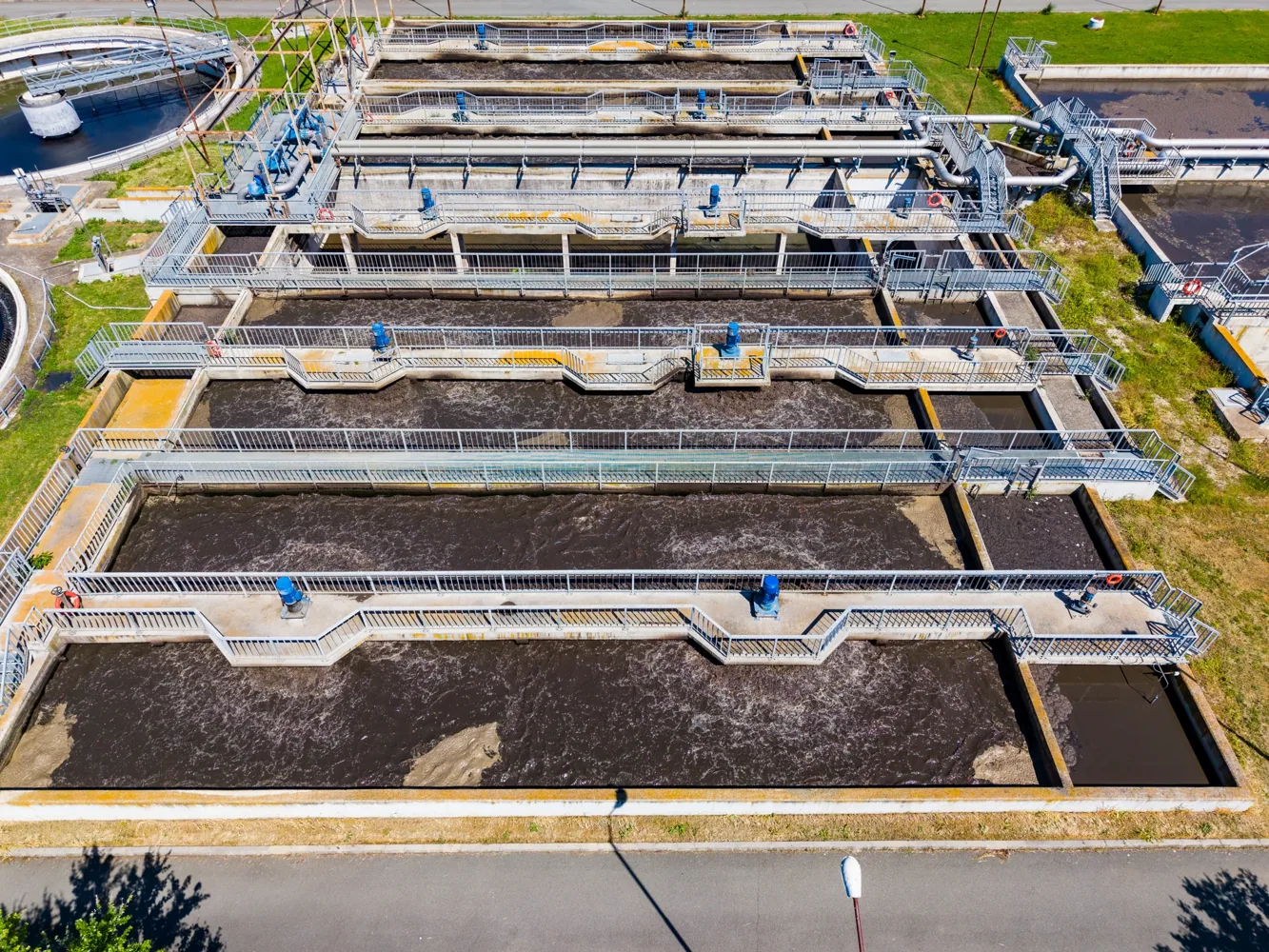
Cloudy treatment-plant effluent can result from solids carryover, overloaded settlement or disturbed biological treatment. Identifying the underlying mechanism helps operators decide whether desludging or process servicing is appropriate.
Floating grease and debris can reform in sewage wet wells even after cleaning. Understand surface layers, hydraulic conditions and the upstream inputs that drive recurrence.
Mixing factory process wastewater with sanitary sewage affects storage, collection and discharge requirements. Explore the factors that determine whether shared containment is appropriate.
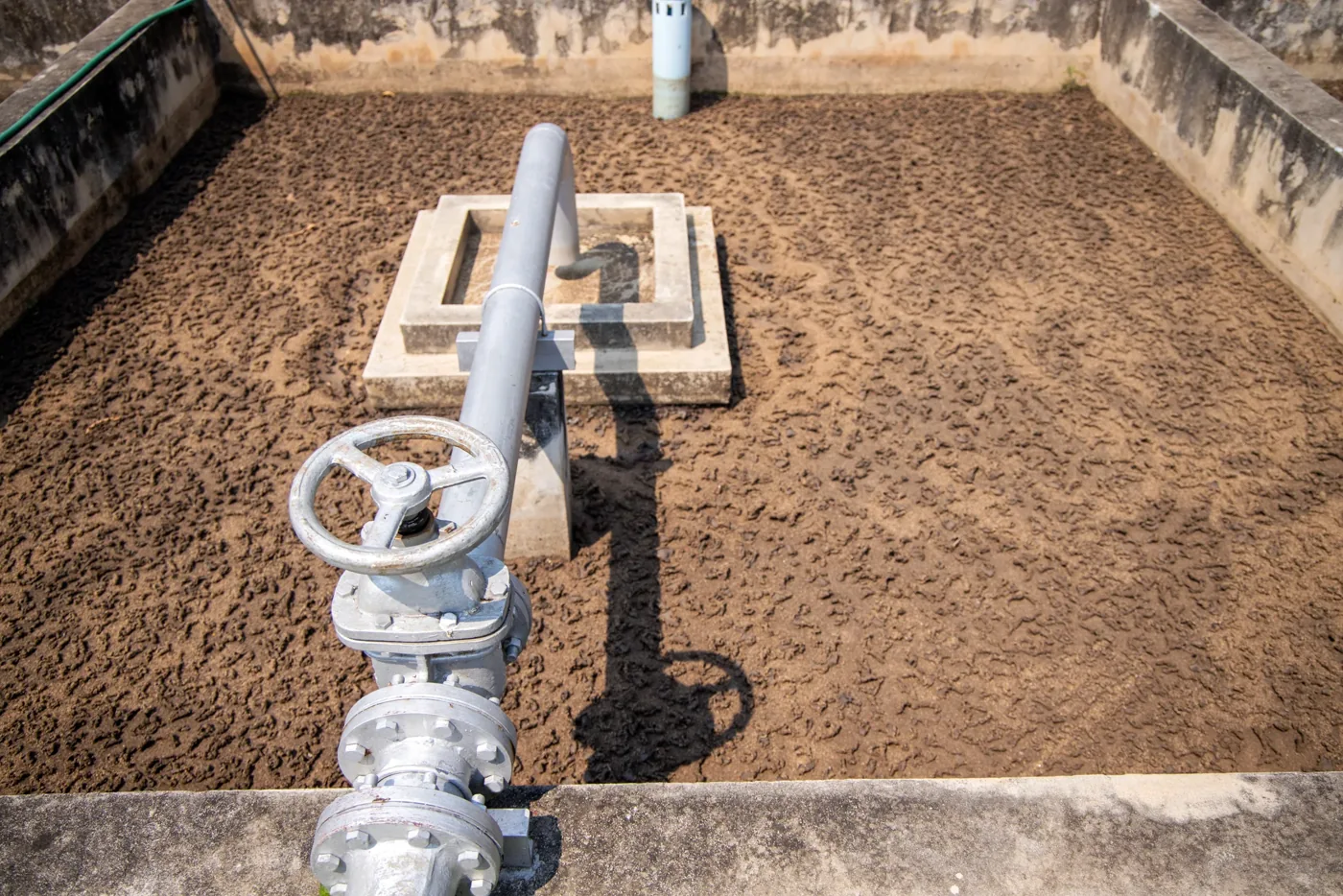
Liquid extraction can leave dense sediment and residual sludge behind. Understand how deposits form, why their consistency matters and when additional removal is worthwhile.
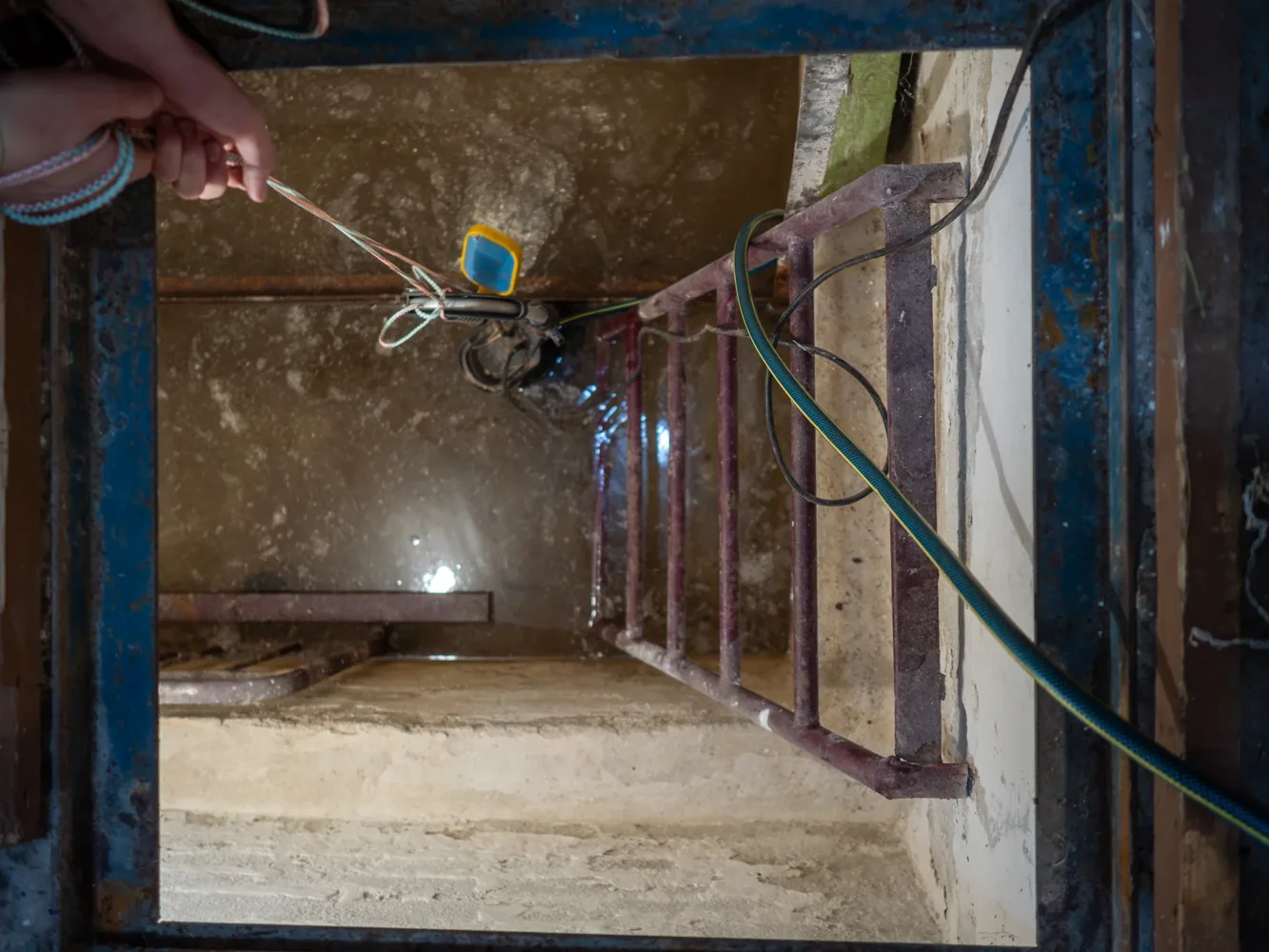
Repeated high-level alarms can indicate a genuine sewage level problem or inaccurate sensing. Learn how to distinguish restrictions, increased inflow and equipment faults.