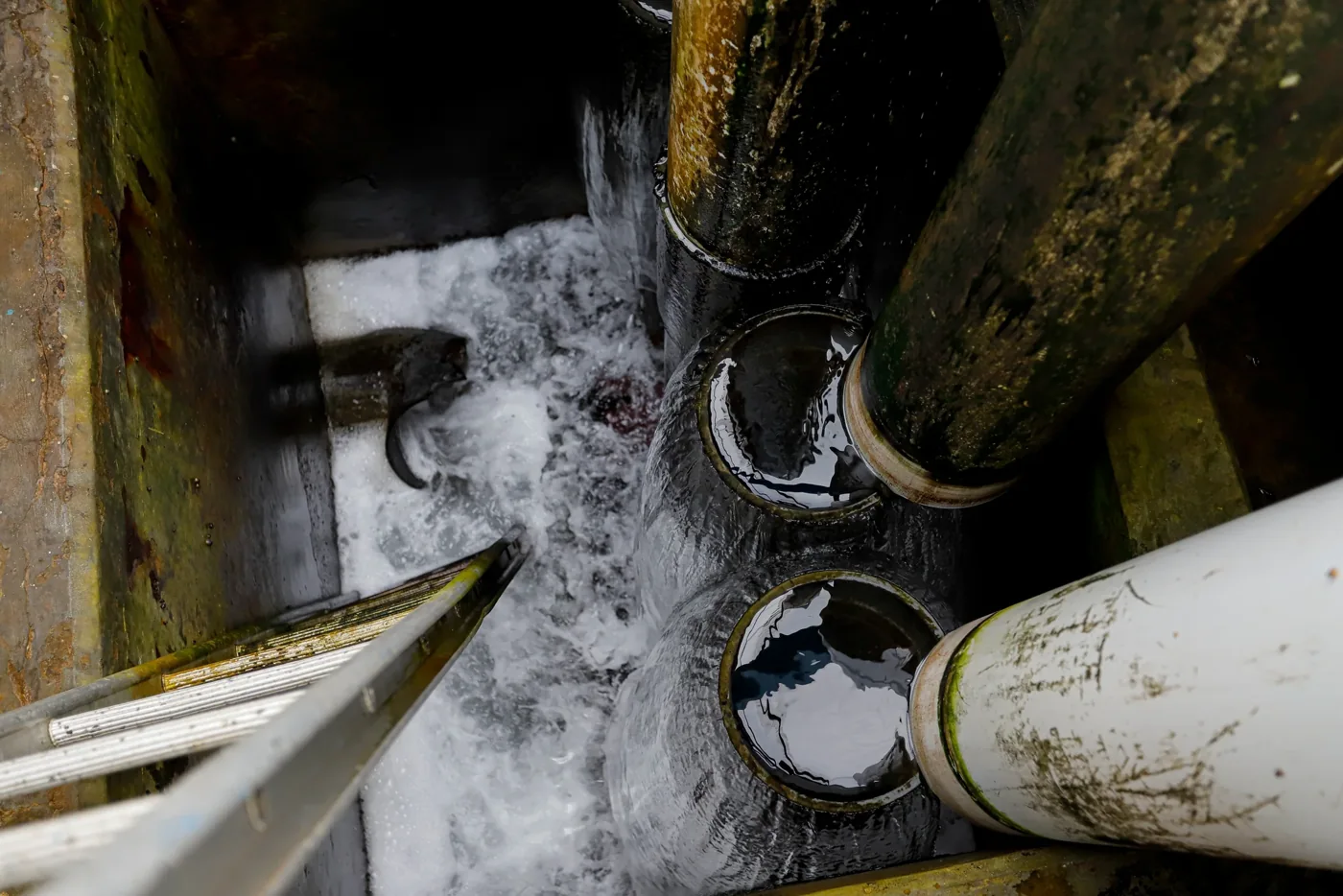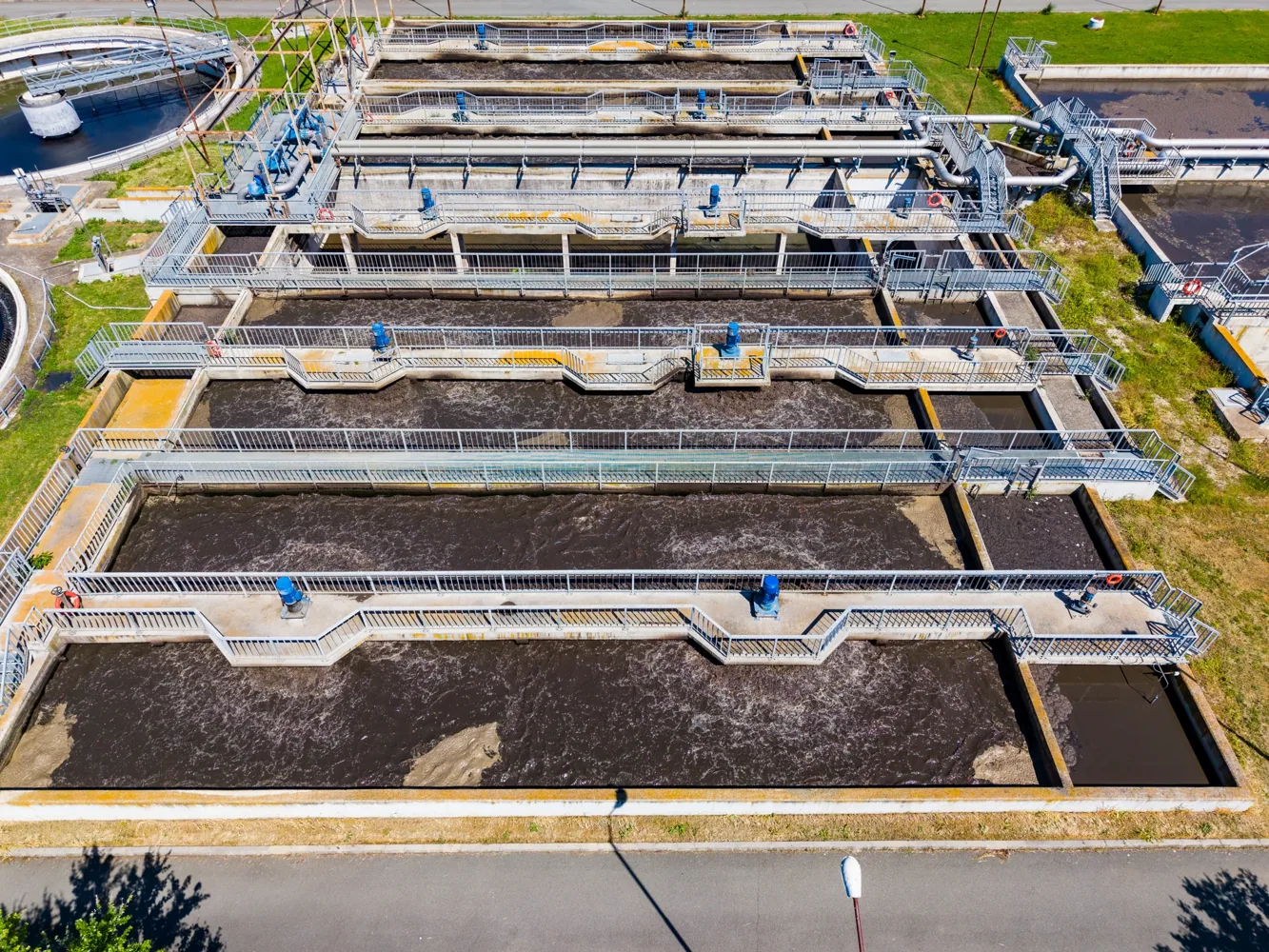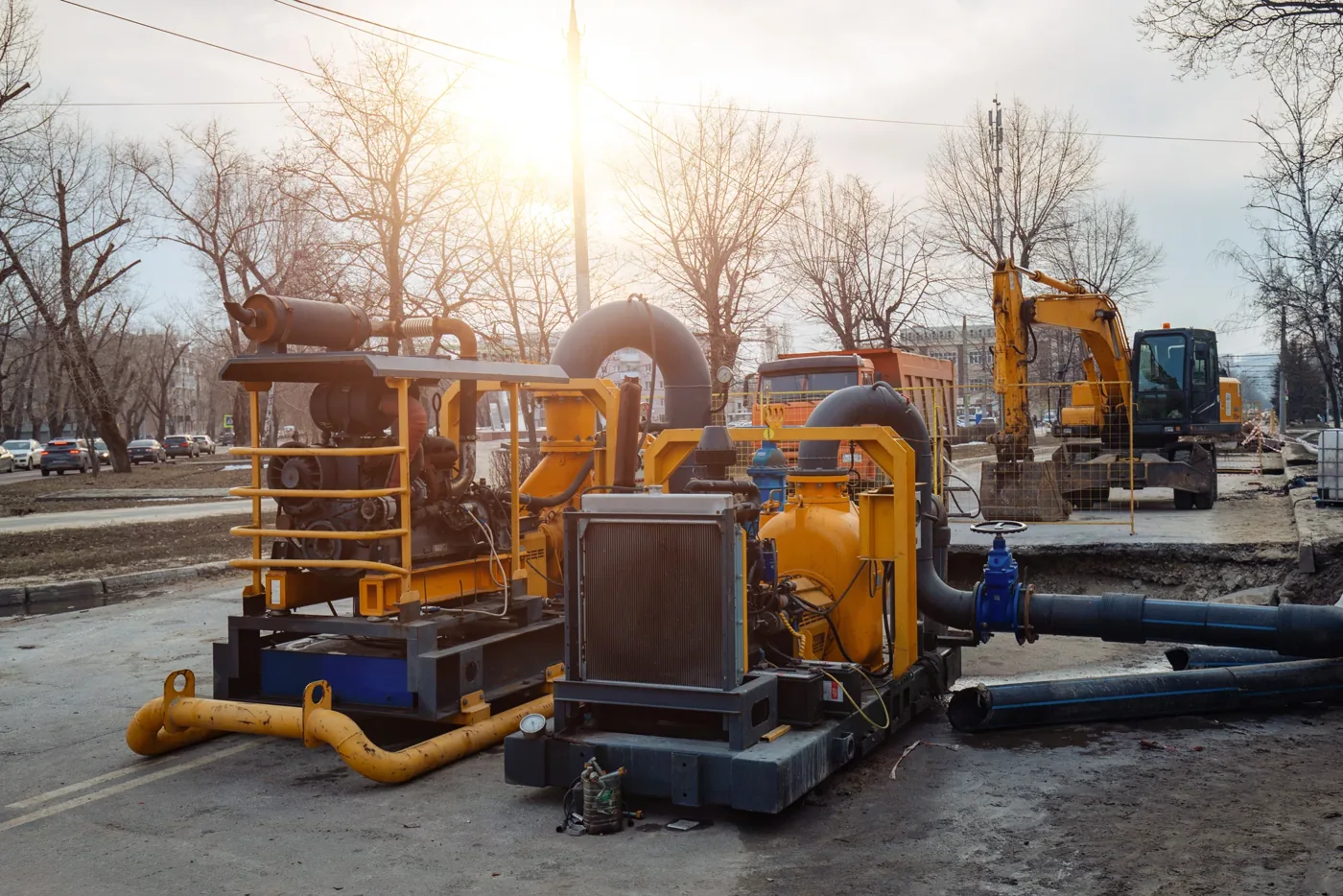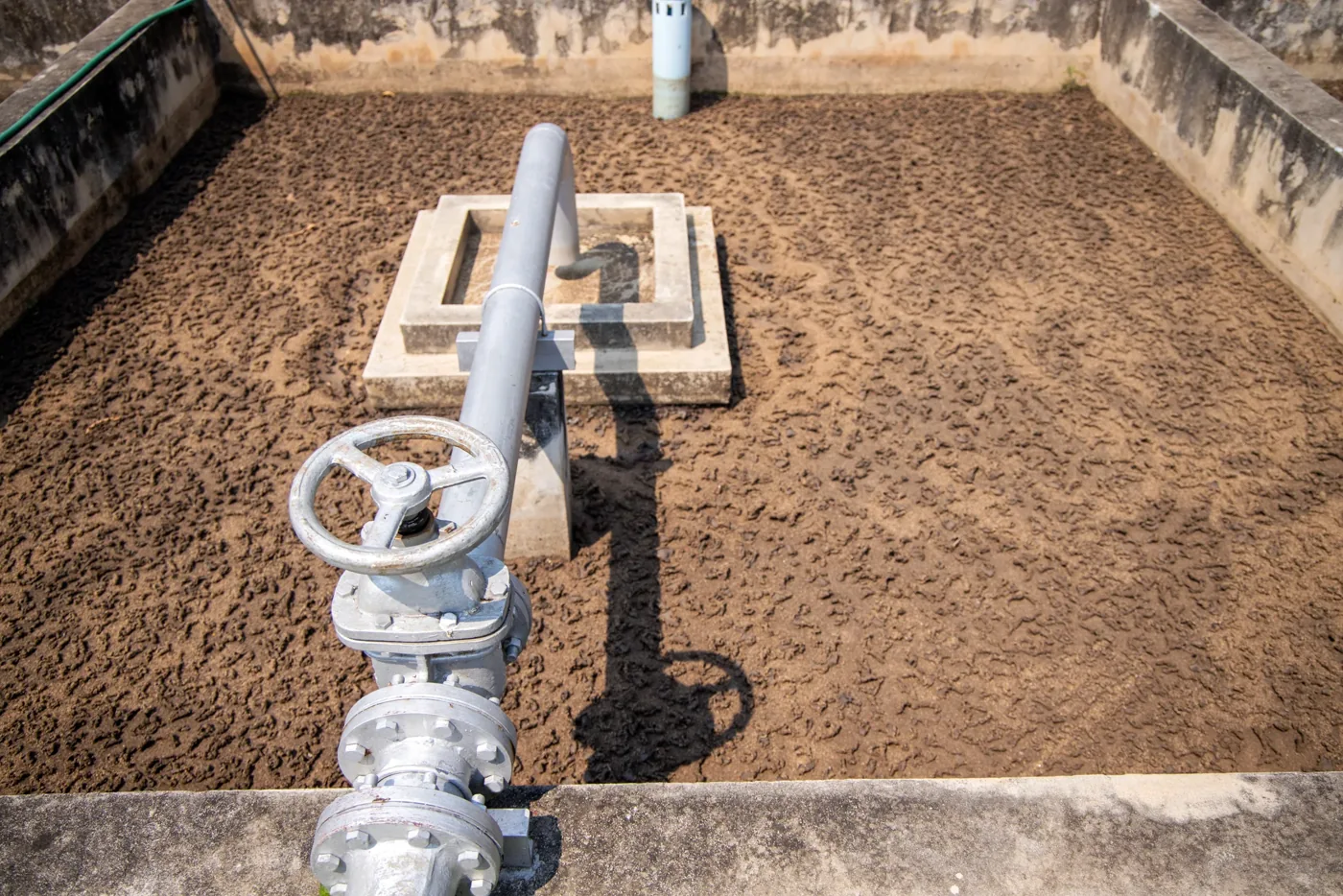
Sewage sludge can remain after a tank has been pumped out because removing free-flowing liquid is not the same as removing accumulated solids. Heavy sediment, compacted organic material and deposits attached to tank surfaces may remain beyond the reach or effective recovery capability of the extraction arrangement, leaving a residual heel after the bulk contents have been removed.
This is particularly relevant in industrial holding tanks and wastewater chambers where the incoming liquid carries suspended solids, grit, fats or process residues. The presence of remaining material does not automatically mean the pumping operation was incomplete. It may indicate that the tank requires a different stage of cleaning.
Why liquid extraction leaves solids behind
Wastewater tanks rarely contain a completely uniform mixture. As liquid remains in storage, particles can settle according to their density, size and the movement of water through the tank.
Heavier particles accumulate towards the bottom. Lighter material may float, while finer suspended solids can gradually combine into thicker deposits.
When liquid is removed, suction tends to recover material capable of flowing towards the extraction point. A layer of settled sludge may stay in place if it is too dense, cohesive or unevenly distributed to move with the remaining liquid.
The shape of the tank also influences what is left. Internal supports, corners, changes in floor level and areas away from the extraction point can retain deposits. A visible patch of sludge in one part of the floor therefore does not necessarily represent an even layer throughout the vessel.
Soft sediment and consolidated deposits behave differently
Not every remaining deposit requires the same approach. Its consistency matters more than appearance alone.
Soft settled sludge
Recently deposited material may retain enough moisture to behave as a slurry. Depending on its composition, this can sometimes be recovered using appropriate specialist extraction equipment.
However, even soft sediment may remain in isolated pockets if the tank contains internal obstructions or areas with limited access.
Consolidated sludge
Over time, sludge consolidation can produce a denser and less mobile layer. Water gradually separates from some deposited solids, allowing material to become more compact.
Industrial residues may also contain mineral particles, grease or other constituents that affect their behaviour. Some deposits form cohesive masses, while others develop a crust or adhere to the floor and walls.
Increasing suction alone does not necessarily make consolidated deposits pumpable. The material may require controlled mobilisation or another suitable removal method selected after its properties are assessed.
What is a residual heel?
A residual heel is the material left at the bottom of a tank following bulk withdrawal. It may contain liquid, soft sludge, dense sediment or a combination of these.
Its significance depends on the intended outcome. A small residual quantity may be acceptable for certain routine operating arrangements, while deposits that reduce usable capacity, interfere with equipment or prevent inspection may require removal.
For example, sludge around an outlet or internal pump intake can create a different operational concern from an isolated deposit in an unused corner.
The remaining material should therefore be evaluated in relation to the tank’s function, rather than judged solely by whether the floor looks completely clean.
Choosing additional sludge removal
Further sludge removal services may be appropriate when deposits cannot be recovered through ordinary liquid extraction or when their presence affects the tank’s operation.
Useful information for assessing the requirement includes:
- The tank’s normal contents and any known industrial inputs.
- The approximate depth and distribution of remaining material.
- Whether deposits appear fluid, granular, greasy or consolidated.
- The position of pumps, outlets and other internal equipment.
- The level of cleanliness needed before the tank returns to service.
Where the objective is simply to remove accessible liquid, the work differs from a deposit-removal specification. The distinction is explained by the separate sewage tank pumping service.
Removal must account for the actual waste
Recovered sludge needs to be identified according to its origin, composition and intended receiving route. Sludge from a tank receiving industrial wastewater should not be assumed to have the same characteristics or handling requirements as ordinary domestic sewage residues.
In England and Wales, the GOV.UK waste duty of care code explains accurate descriptions and authorised transfers where controlled-waste duties apply. The code also identifies exclusions for wastewater and certain sewage and sludge arrangements, so the applicable requirements depend on the material and how it is managed.
The practical distinction is straightforward: pumping addresses material that can be extracted in its existing condition, while additional cleaning addresses deposits that remain attached, settled or insufficiently mobile. Establishing what is left is the basis for deciding whether further removal is necessary.