Cloudy effluent from a sewage treatment plant often indicates that fine particles are remaining suspended in the treated water rather than separating effectively. Possible explanations include excessive sludge accumulation, poor settlement, disturbed biological treatment or changes in the volume and composition of incoming sewage. The appearance alone cannot establish the cause or show whether the discharge meets its applicable limits.
For commercial operators, the important distinction is whether solids are escaping from an otherwise functioning treatment process or the process itself is no longer treating sewage effectively. These problems may look similar at the outlet but require different interventions.
What cloudy appearance can reveal
Effluent should be assessed against the normal performance of the installed plant, rather than an assumption that every treatment system produces completely transparent water. A sudden change from relatively clear discharge to persistently cloudy liquid deserves attention, particularly when accompanied by odour, visible particles or unusual operating conditions.
Suspended solids are small particles carried within the water. They may include organic material, fine sludge or fragments of biological material that have not settled. The concentration and nature of these particles influence how cloudy the effluent appears.
Some observations help distinguish potential causes:
- Fine particles throughout the liquid can indicate inadequate separation or unsettled biological solids.
- Visible sludge fragments may suggest solids carryover from a settlement compartment.
- Cloudiness appearing after unusually high inflow may reflect reduced settlement time.
- Persistent deterioration accompanied by changes in aeration or odour may indicate a wider treatment problem.
These are diagnostic clues rather than definitive tests. Turbidity describes how particles scatter light, whereas suspended-solids testing measures the solids retained by a specified analytical method. A cloudy appearance does not provide a reliable suspended-solids concentration. Where discharge quality is in question, use appropriate sampling and analysis against the parameters and limits applying to the installation.
Solids accumulation versus biological faults
When sludge storage affects separation
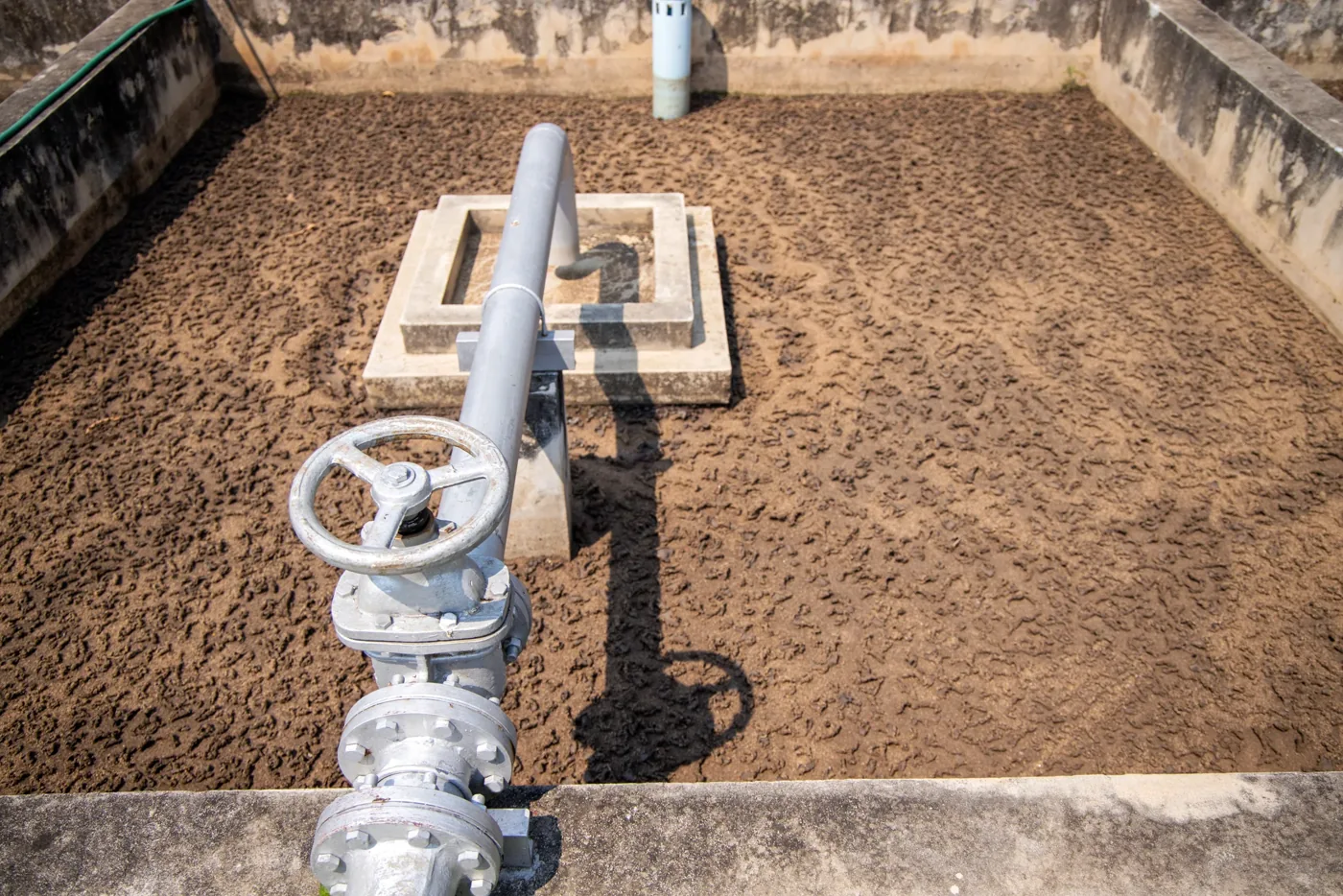
Sewage treatment plants retain solids as part of their normal operation. Over time, accumulated sludge reduces the available storage capacity and can interfere with separation when it reaches levels beyond the plant’s intended operating range.
Excessive accumulation may contribute to sludge carryover, particularly during increased flow. The resulting effluent can contain particles that should have remained within the treatment system.
However, the presence of cloudy water does not automatically mean that the entire plant needs emptying. Some systems require particular quantities of biological material to remain in place, and indiscriminate removal can disrupt treatment.
When biological treatment is affected
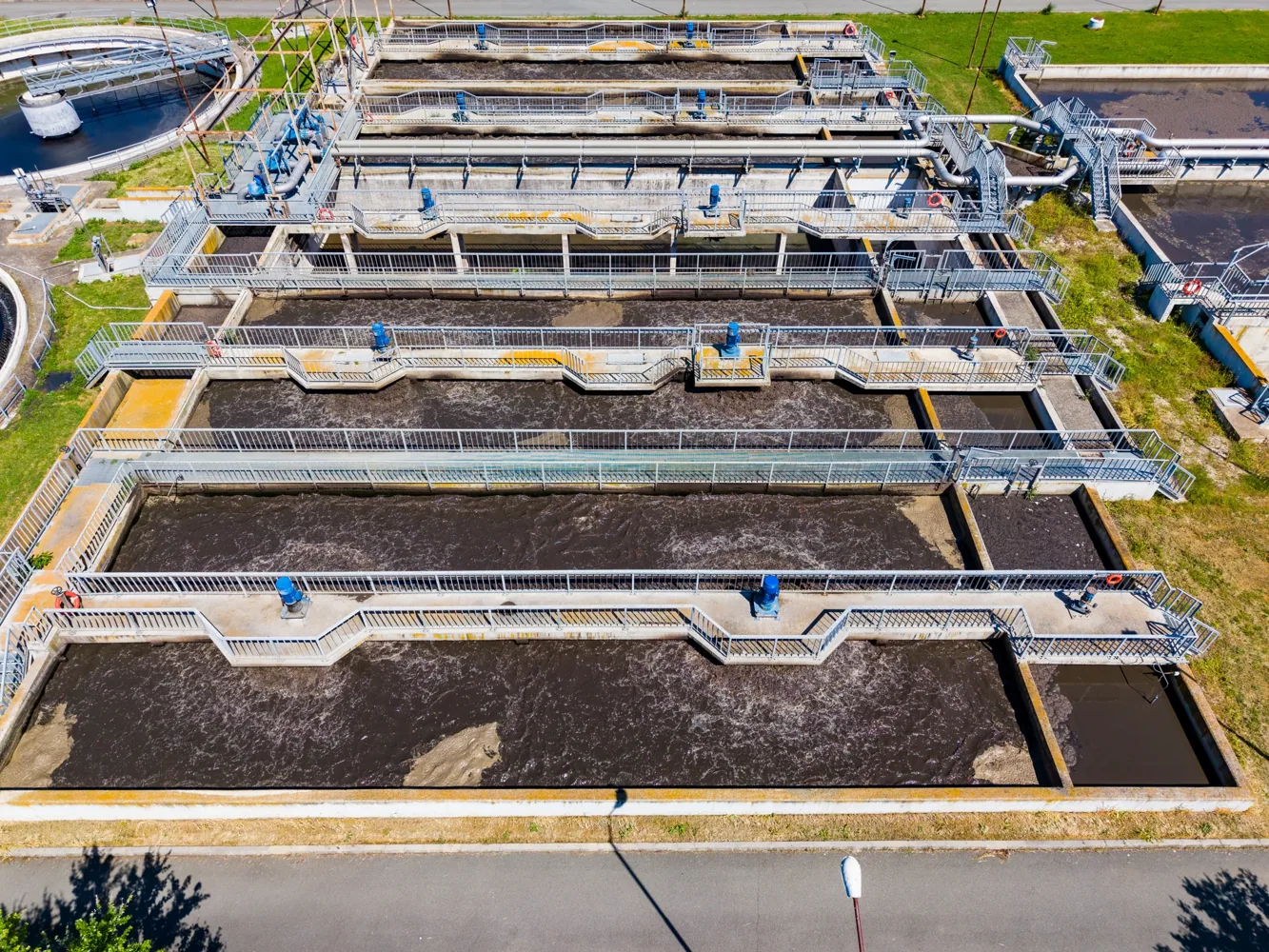
Biological treatment depends on conditions that support the microorganisms responsible for breaking down sewage. Aeration problems, unsuitable incoming substances, sudden changes in loading or equipment faults can disturb that process.
A treatment plant with an aeration or circulation fault may produce cloudy effluent even when its sludge storage capacity is adequate. Similarly, poor settlement can occur when biological solids fail to separate properly despite continued treatment activity.
The operator should therefore distinguish retained sludge from the condition of the active treatment process before selecting a remedy.
When desludging may help
Desludging is relevant when accumulated material has reached the manufacturer’s removal threshold, is interfering with settlement or has reduced the effective capacity of the appropriate compartment.
For qualifying small sewage discharges to surface water in England, the Environment Agency’s general binding rules require accumulated sludge to be removed before the plant exceeds its maximum sludge capacity. The guidance recommends desludging at least annually or in line with the manufacturer’s instructions. Installations operating under environmental permits must comply with their applicable permit conditions.
For a plant with suspected solids carryover, the assessment should establish:
- Which compartments contain excessive sludge and which require biological material to remain.
- Whether the settlement stage is operating as intended.
- Whether inlet flow has changed significantly.
- Whether aeration, pumps or other treatment equipment require servicing.
- Whether previous maintenance records identify a recurring problem.
Where excess deposits are confirmed, sewage treatment tank cleaning can address the material that needs removing. A separate process or equipment fault still needs its own corrective work.
Check performance after the intervention
Following desludging or servicing, compare outlet appearance with the plant’s normal operation and review any relevant sampling results against the applicable discharge requirements. A clearer outlet may indicate improved solids separation, but it does not establish that biological treatment has recovered. Where a permit or consent specifies numerical limits, those limits must be assessed using the required measurements rather than visual appearance alone.
Recording the appearance, relevant operating changes and maintenance undertaken makes subsequent deterioration easier to interpret. If cloudiness persists despite appropriate sludge removal, further treatment-process assessment is more useful than repeatedly emptying the same compartments.