

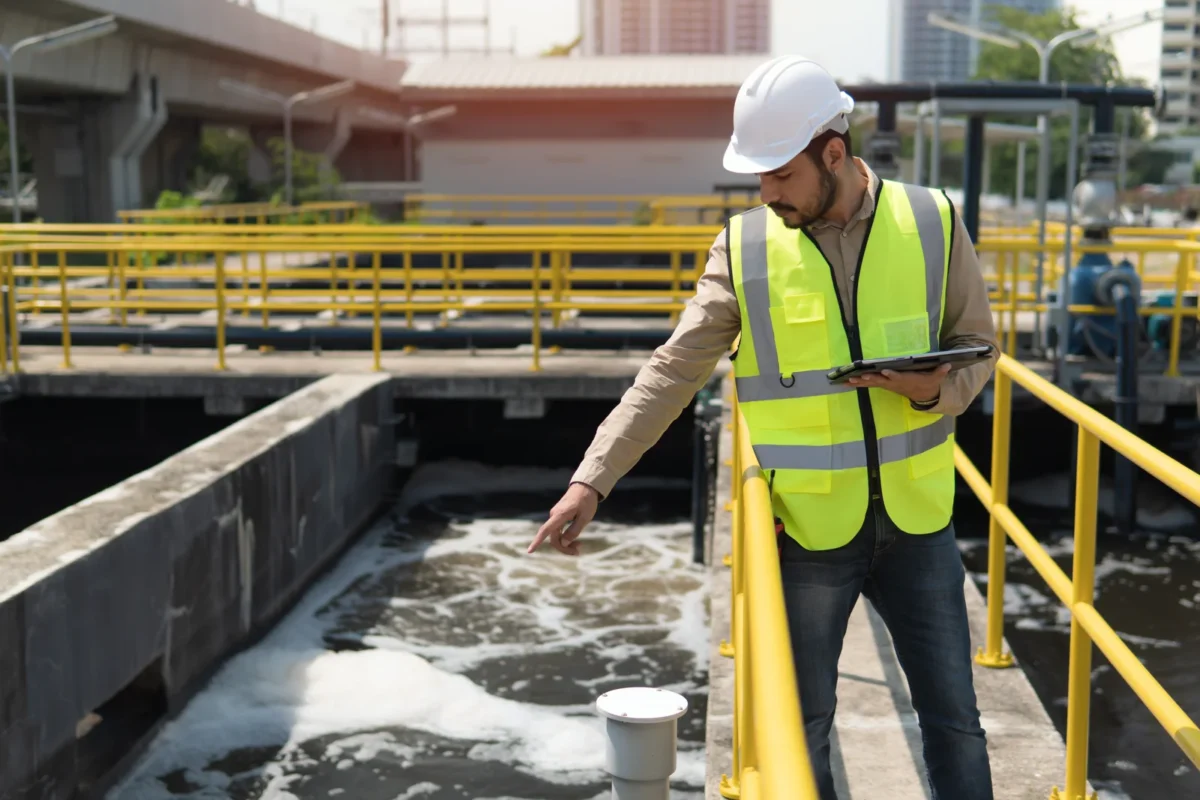
Hospitals, care homes, clinics and other healthcare premises can depend on sewage tanks, treatment units or pump stations while buildings remain occupied. Cleaning needs to address the sewage system without confusing ordinary wastewater work with the separate controls that apply to clinical or other healthcare waste.
Sewage Tank Cleaning for Healthcare Sites
Healthcare sewage tank cleaning for occupied premises where continuity, contamination control and system condition all matter.
HomeSewage Tank Cleaning for Healthcare SitesSewage Tank Cleaning for Healthcare Sites enquiry
Occupied healthcare sites
Incoming sewage and essential facilities may need management while tanks or pump stations are cleaned.
Biological contamination
Sewage work requires controls for splashes, contaminated surfaces and other exposure routes.
Equipment faults
Cleaning around pumps and controls does not replace mechanical, electrical or alarm-system checks.
Essential facilities and contaminated areas
Connected toilets and washing facilities may remain important to patients, residents and staff. Incoming sewage and any restriction on facilities need to be considered alongside the work. Sewage also presents biological exposure risks, so contaminated areas require suitable separation and hygiene controls.
Pumps, controls and alarms
Cleaning can remove deposits around level controls or pump intakes, but repeated alarms can also indicate electrical, mechanical or downstream faults. Equipment that requires hazardous access must be suitably isolated before cleaning or servicing begins.
Discuss sewage tank cleaning for healthcare sites
Complete the form and we will get back to you.
Healthcare waste remains distinct
Sewage and clinical waste should not be treated as the same waste stream. HSE healthcare waste guidance covers hazards and controls associated with healthcare waste; its relevance depends on the materials actually present.
After a sewage release
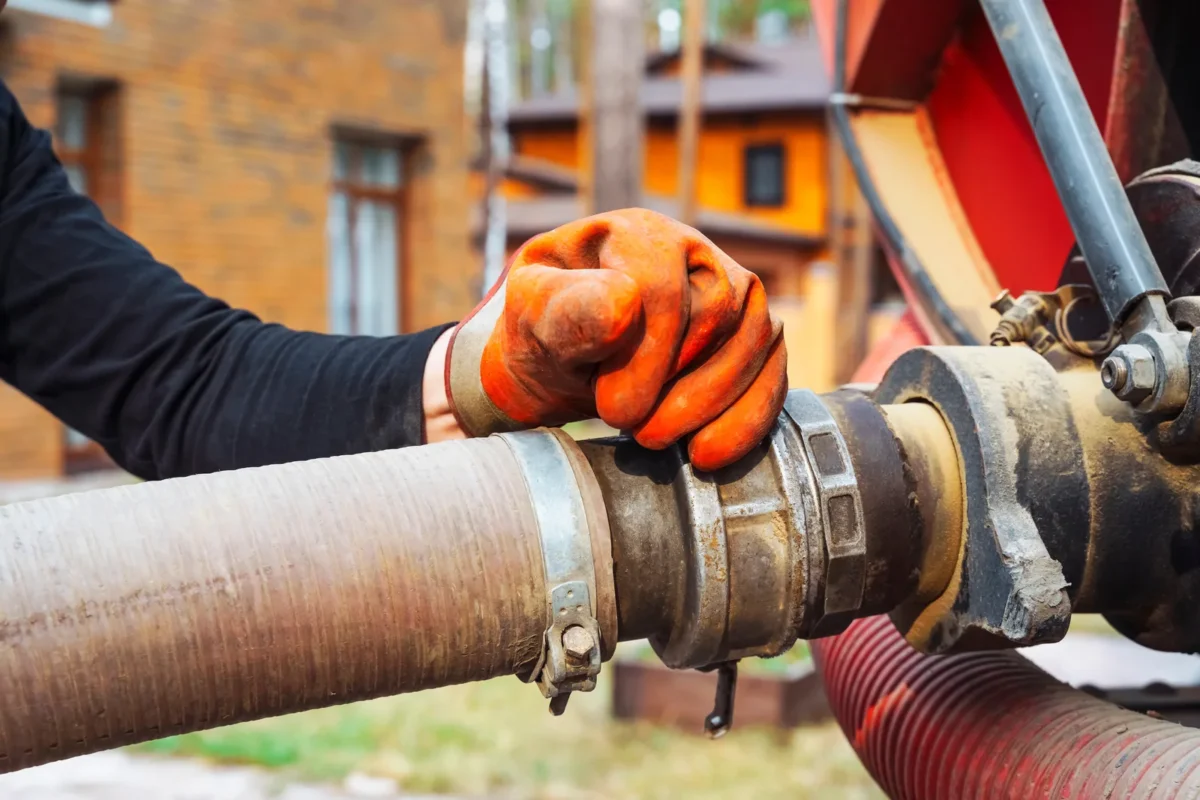
Where sewage reaches a room or service area, bulk recovery is followed by cleaning suited to the surfaces and materials affected. Drying, electrical inspection, repairs and decisions about absorbent materials remain separate from the removal of visible sewage.
Sewage Tank Cleaning for Healthcare Sites: common questions
Can sewage work be carried out while a healthcare building remains occupied?
It may be possible where the work area, incoming flow and effect on essential facilities can be safely managed.
Does removing sewage make an affected room ready to reopen?
No. Cleaning, drying, utility condition and any damaged materials also need to be considered before normal use resumes.
Is a high-level alarm always caused by a dirty wet well?
No. Deposits can affect equipment, but pump, control, power or downstream faults can produce similar symptoms.
What if specialist clinical waste is present near the sewage work?
It needs its own assessment and controls and should not be assumed to be part of ordinary sewage collection. The requirements depend on the material actually present.