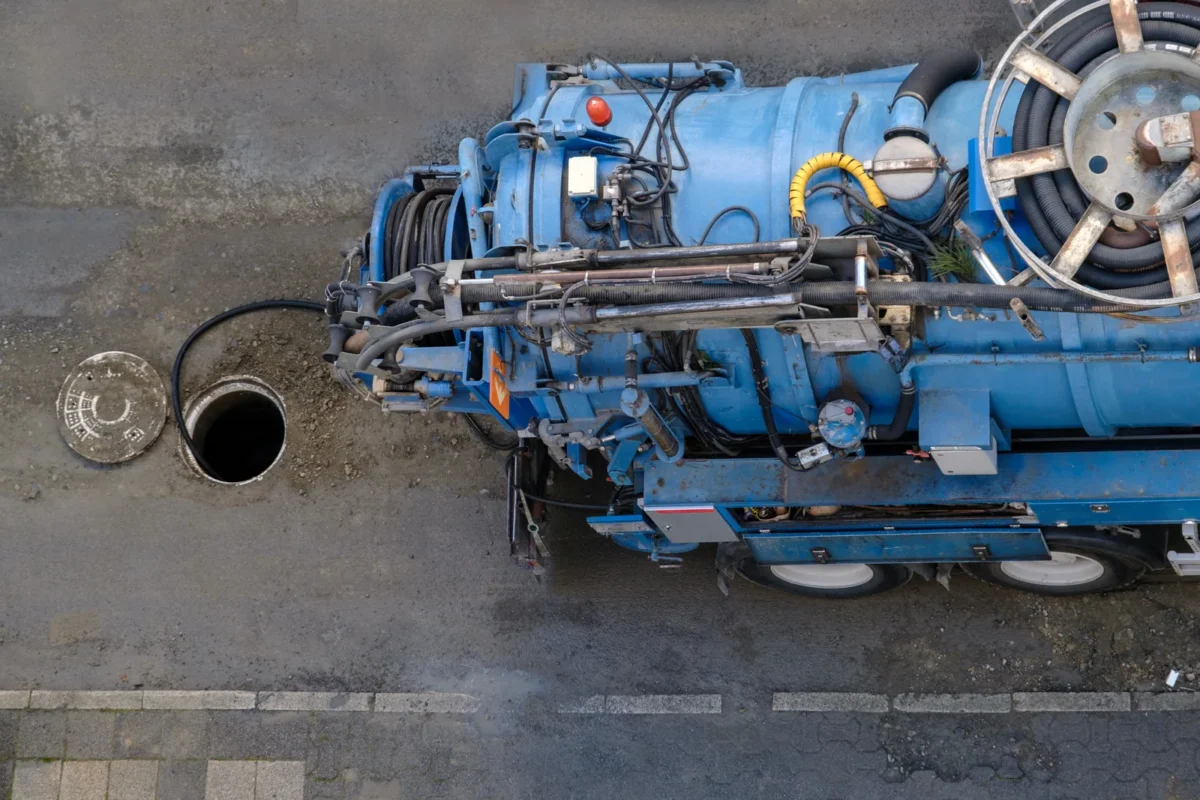
When the tank fills faster than expected
An unusually short interval between collections is a reason to examine usage and inflow records, rather than proof of a particular fault. Compare occupancy, recent rainfall, meter readings where available and the previous volume removed. These details help focus an investigation of unexpected inflow without treating every high-level incident as the same fault.
Pumping creates storage, but the available time afterwards depends on what continues to enter. A blockage or equipment problem elsewhere in the system needs its own investigation. The cause is not established simply because the level fell during collection.
Records for the waste collection
The collection record should identify the tank, date, material removed and quantity collected. Waste transfer information should describe the waste accurately and identify the parties involved. In England and Wales, non-hazardous waste transfers require appropriate transfer information, while hazardous waste movements generally require consignment notes. The documentation must reflect the waste’s actual classification and destination. In England and Wales, the waste duty of care code explains waste-holder responsibilities and checks on the receiving holder.
Keeping these records with the tank information makes the next collection easier to specify and helps explain changes in the filling pattern. It also separates the work actually completed from any follow-on cleaning or investigation still needed.