Sewage Overflow Recovery and Removal

Sewage overflow recovery deals with wastewater that has escaped from a holding tank, chamber or drainage system. The recovery work depends on where the sewage is arriving, whether the level is still rising and which surfaces have been affected. Lowering a level and repairing the original fault are separate tasks.

HomeSewage Overflow Recovery and Removal

Sewage Overflow Recovery and Removal quote

Identify the source and affected area

A high chamber level, a tank overflow and sewage appearing inside a building describe different situations. The position of the release and the path taken by the wastewater help define the recovery area. Photographs and drainage information can support that description where they are available.

The extent may change while inflow continues. A record of the affected rooms, yard areas or chambers shows where the work is needed and helps distinguish the initial release from any later spread. The immediate site arrangements and recovery plan need to reflect the conditions actually present.

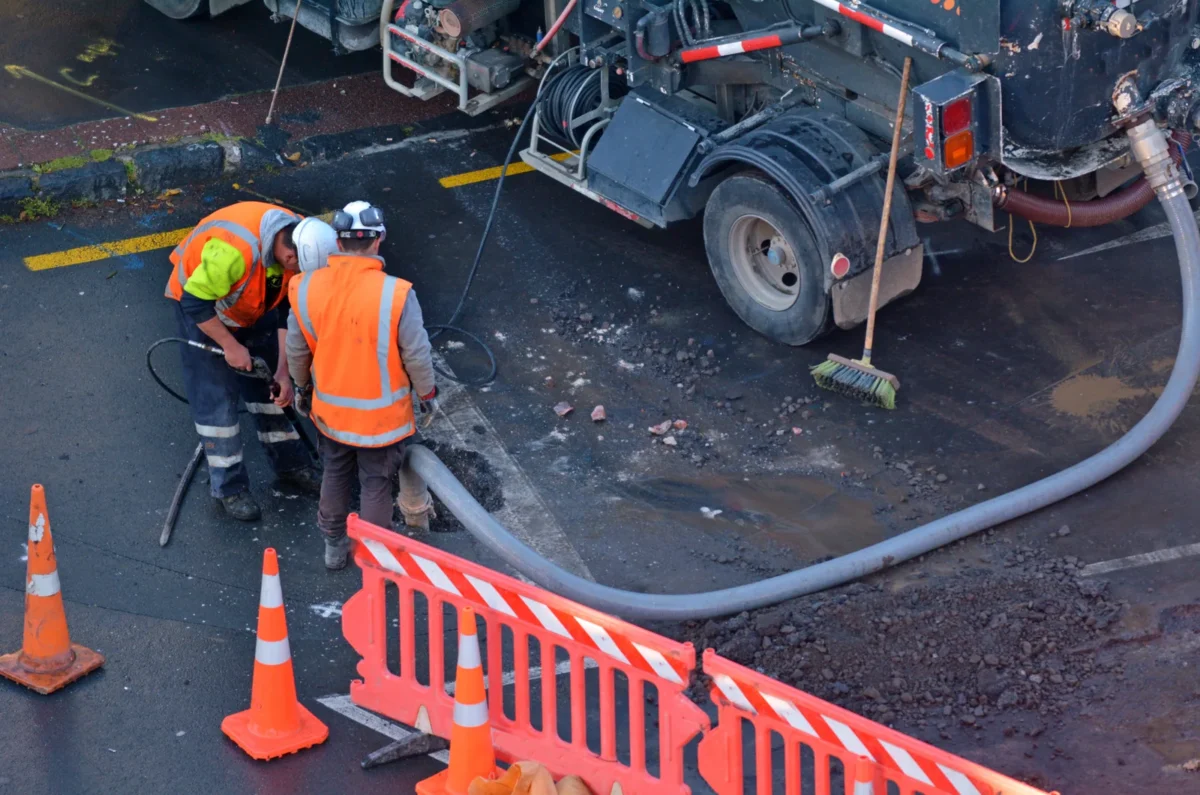
Road drainage crew working beside a vacuum tanker inside a barriered work area

Active inflow

The rate at which sewage is arriving affects whether recovery provides temporary storage or needs to continue alongside repair.

Source control

A failed pump, blockage or other fault needs separate repair even when emergency pumping lowers the level.

Temporary pumping and available capacity

Pumping can lower a chamber or tank level, restoring some capacity within the existing system or transferring wastewater to a separate suitable holding arrangement. How long the recovered capacity remains available depends on the continuing inflow, the volume removed and the usable storage available. Collection alone is therefore not a complete answer when the source continues at a high rate.

The equipment access and recovery connection also affect what can be done. A collection point near the road is different from one reached through a building or across a working yard. The hose run, level difference and material condition should be confirmed on site rather than inferred from the site postcode.

Separate recovery from the underlying repair

A failed pump, restricted pipe or change in inflow can all lead to a high level, but they need different follow-on investigation. The fact that wastewater can be removed does not identify the cause. Recovery records can help describe what happened while the responsible maintenance work is arranged.

The handover should distinguish temporary level reduction from the work needed for normal operation. Pump repair, drain clearance and tank inspection are separate activities even when they take place during the same incident.

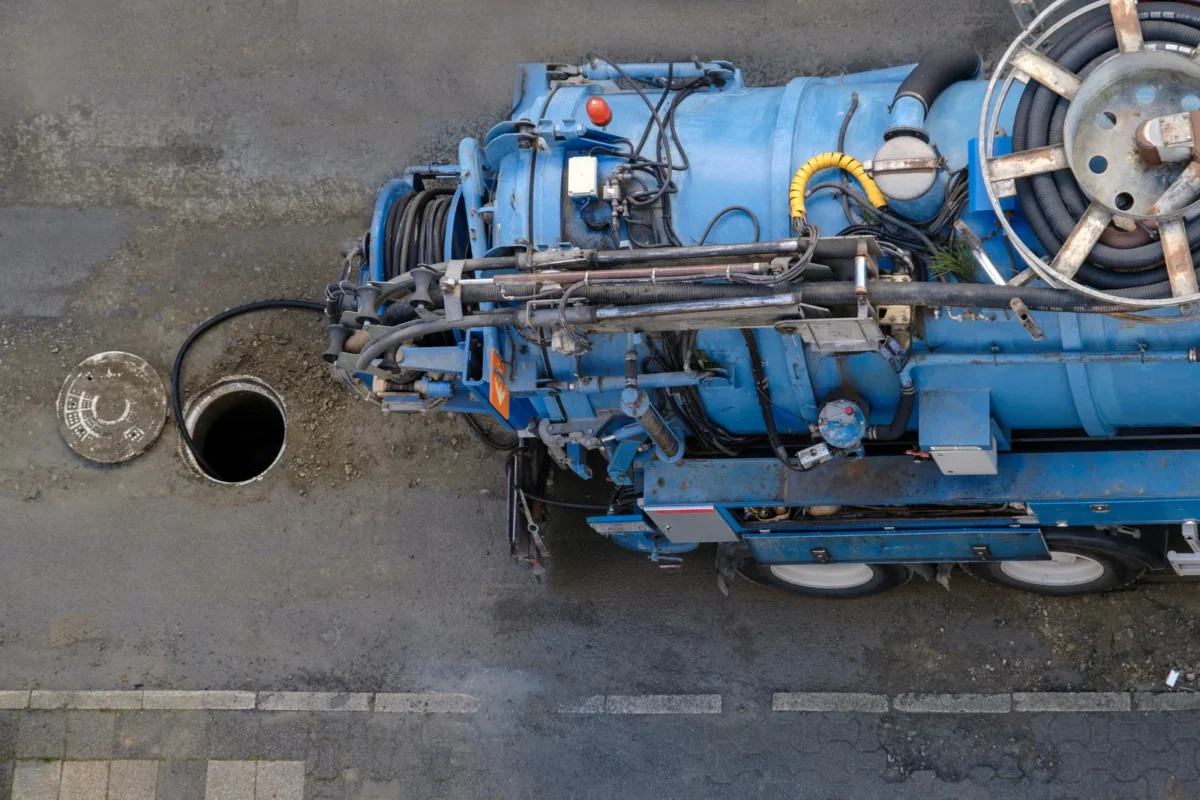
Overhead view of a vacuum tanker and an open drainage access chamber

Emergency sewage removal

Complete the form and we will get back to you.

Surfaces left affected by the release

Removing pooled liquid can leave residue on floors, yard surfaces or around equipment. The material and construction of those surfaces affect the cleaning that follows. A hard yard, a floor finish and an absorbent building material should not be treated as the same cleaning task.

The affected area can be recorded before and after recovery so that residual contamination and any inaccessible places remain identifiable. Wastewater and residue collected during the clean also need to go to a suitable receiving facility. The government’s pollution prevention guidance provides context for controlling releases and managing site drainage in England.

Information for the next stage

A concise incident record can bring together the source location, observed changes in level, recovery undertaken and the areas still requiring attention. Where collection records or drainage drawings already exist, keeping them with that record makes follow-on decisions easier.

The recovery record should identify whether inflow was continuing when collection ended and whether the available storage was sufficient for the conditions observed. It should also distinguish wastewater removed, affected surfaces still requiring attention and the separate repair or cleaning work outstanding.

Sewage Overflow Recovery and Removal: common questions

Does removing sewage fix a failed pump?

No. Recovery can reduce the level, while the pump fault and return-to-operation checks require separate work.

What affects how long temporary pumping helps?

The amount recovered, the usable tank or chamber capacity and the rate at which sewage continues to arrive.

Is surface cleaning part of the same task?

It can form part of the agreed work, but the affected surfaces and required cleaning should be described separately from liquid recovery.

Sewage Tank Cleaning

Services

Request a quote

Menu

Get a quote