

Silt and sludge removal recovers settled material that can remain below the liquid level in tanks and chambers. The deposit may contain mineral grit, organic sludge, grease or fibres, so the method is based on what is actually present.
Silt and Sludge Removal
Silt and sludge removal for dense settled material that remains in tanks and chambers after liquid recovery.
HomeSilt and Sludge RemovalSilt and Sludge Removal enquiry
Deposit type
Silt, grit and organic sludge differ in density and composition, which affects recovery and receiving requirements.
Recurring build-up
The location and character of deposits can help identify changes in inflow or upstream solids.
Silt, grit and organic sludge
Dense mineral sediment behaves differently from mobile organic sludge. Deposit depth, consistency and contamination affect how the material can be loosened, moved and accepted at a receiving facility.
Controlled recovery of loosened material
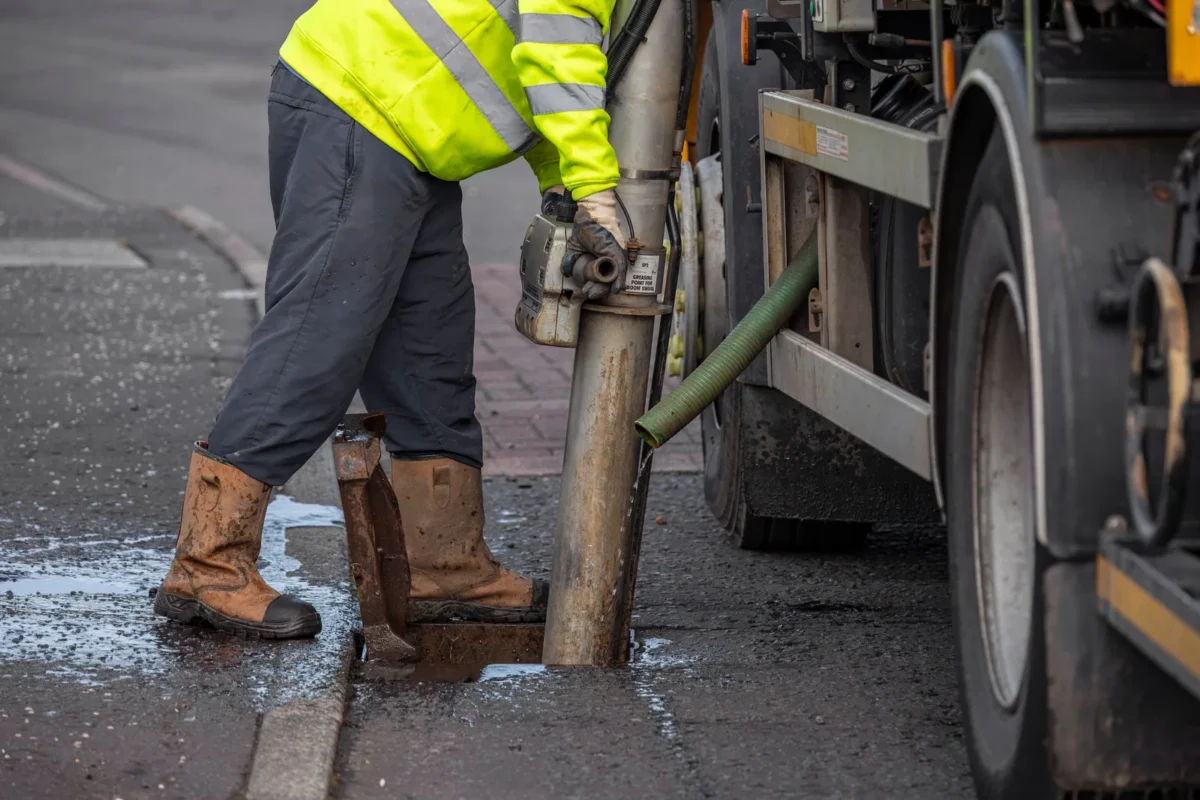
Lowering the water level does not remove the settled layer. Where washing or loosening is needed, the resulting solids and liquid should be recovered rather than flushed into an outlet or moved downstream.
Silt and sludge removal
Complete the form and we will get back to you.
Why deposits return
Surface-water inflow, process solids, grease or changes in sewage loading can increase accumulation. Cleaning removes the existing material, while the cause of unusually rapid build-up may need separate investigation.
Cleaning coverage
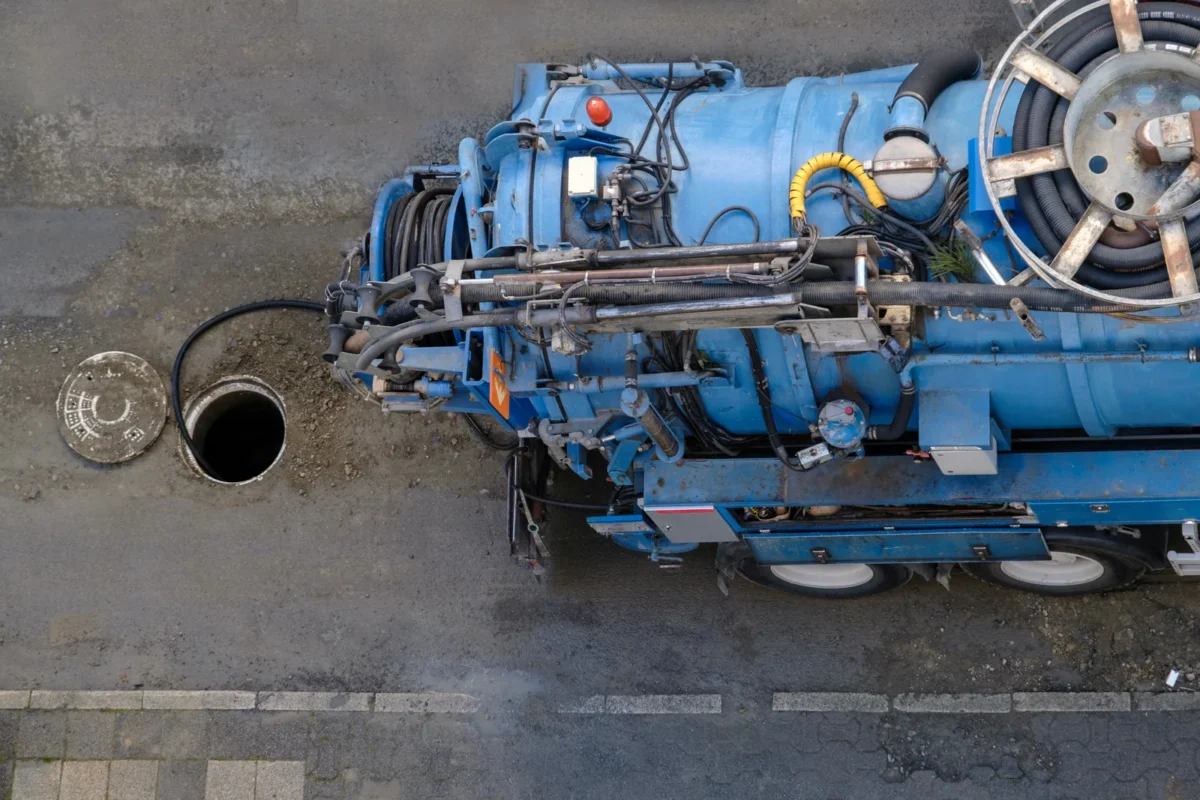
A compact layer can remain in a corner or behind an internal feature after a large volume of liquid has been removed. The result should therefore identify the areas from which settled material was recovered.
The location of recurring material can also be informative. Grit concentrated near an inlet suggests a different pattern from widespread organic sludge, and that information can help the operator review upstream sources and future maintenance intervals.
Silt and Sludge Removal: common questions
Are silt and sewage sludge the same material?
No. Silt is mainly mineral sediment, while sewage sludge can contain organic matter, grease, fibres and other constituents.
Will removing clear water remove the deposit beneath it?
Not reliably. Settled material can remain after the overlying liquid has been pumped away.
Does the source affect disposal or treatment?
Yes. Composition and contamination determine classification and receiving-site acceptance.
Can loosened silt be flushed down the outlet?
That should not be assumed suitable. The removal method should recover the loosened material rather than transfer the problem downstream.
Why does the location of the deposit matter?
Where material accumulates can help indicate the source of solids and whether the pattern has changed over time.