

Construction sites can use temporary welfare tanks, permanent drainage, pump chambers and other wastewater storage at different stages of a project. Sewage tank cleaning must reflect what the system actually receives and should not be confused with general excavation dewatering or surface-water management.
Sewage Tank Cleaning for Construction
Construction sewage tank cleaning for temporary and permanent systems, with wastewater kept distinct from excavation dewatering.
HomeSewage Tank Cleaning for ConstructionSewage Tank Cleaning for Construction enquiry
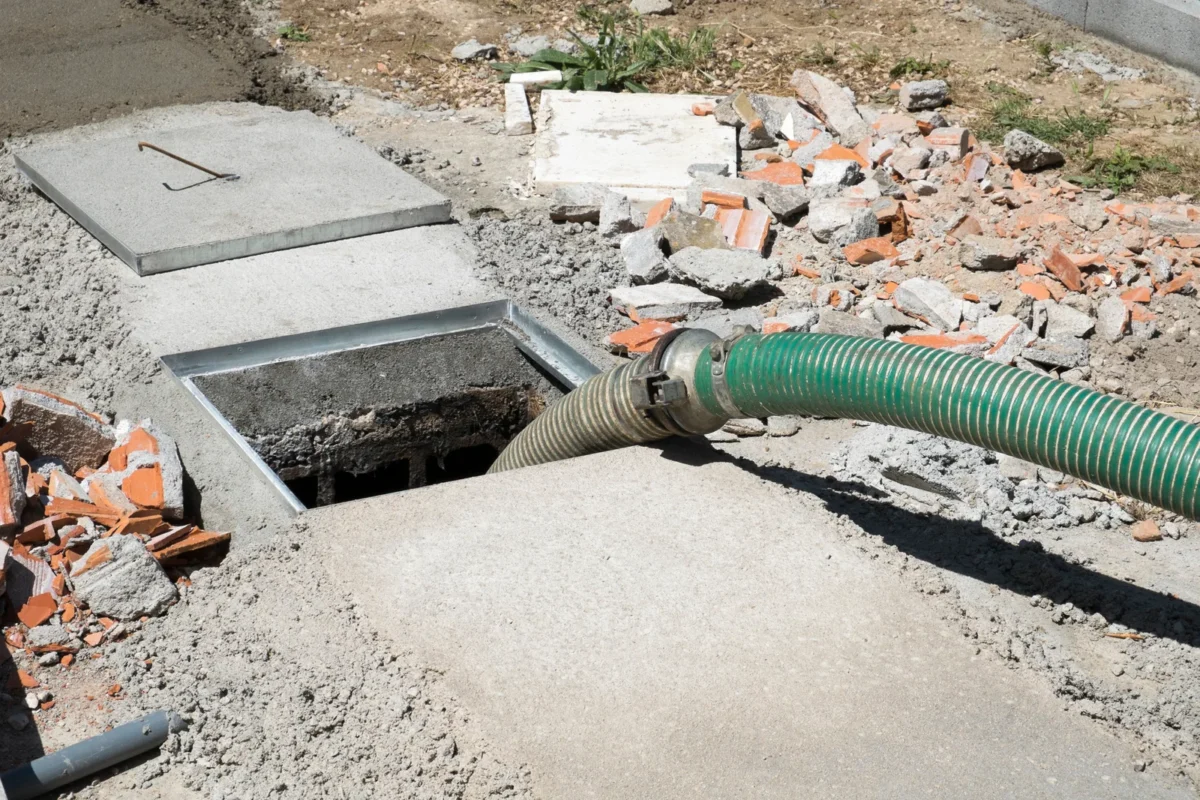
Temporary sewage systems
Welfare tanks and pump chambers can change as the workforce, layout and drainage connections develop.
Different water streams
Sewage and contaminated washings must not be treated as if they were uncontaminated excavation water.
Machinery isolation
Hazardous access to pumps or other equipment requires suitable isolation before cleaning or maintenance.
Temporary and permanent sewage systems
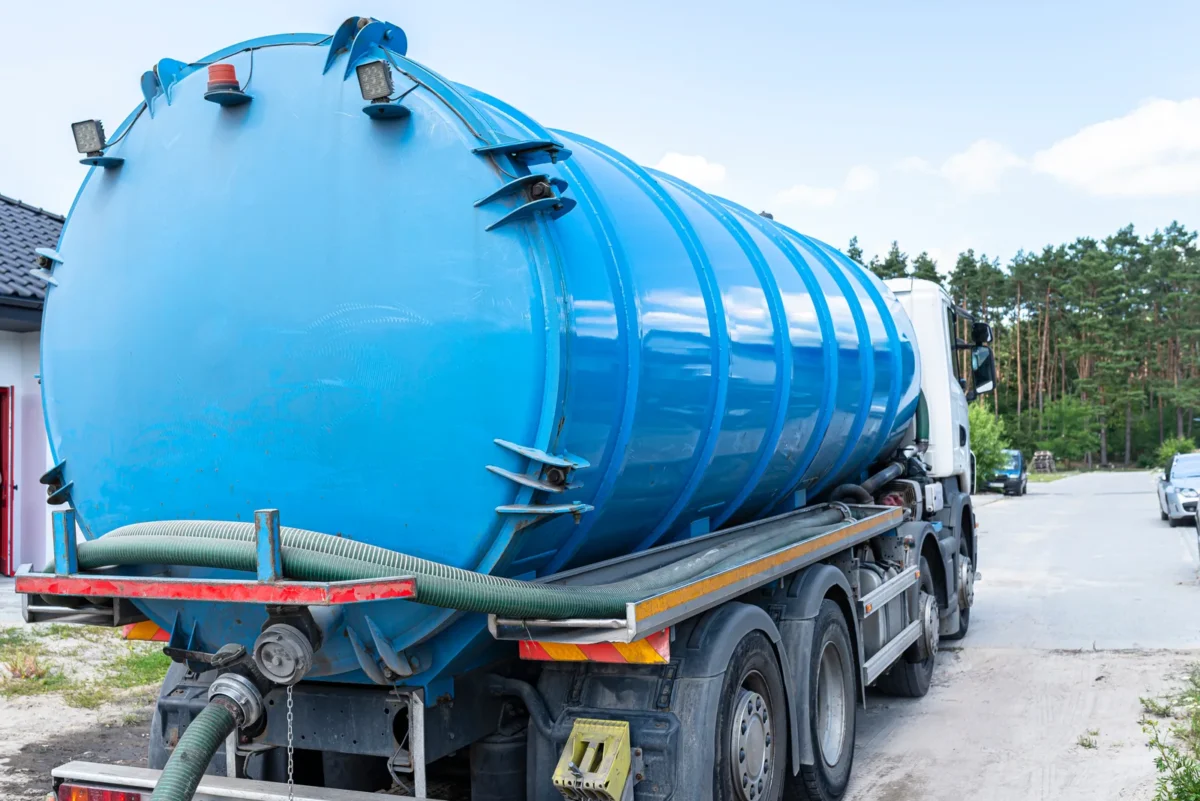
Welfare units, holding tanks and pump stations have different operating arrangements. Workforce numbers and changing connections can alter loading, while moved fencing, temporary roads and ongoing groundworks can change access to a previously straightforward collection point.
Different water streams and site machinery
Sewage, welfare waste, process washings and uncontaminated excavation water are not interchangeable. Their source affects the lawful handling requirements, and tanker work must be separated from moving plant. Hazardous access to pumps or other machinery also requires suitable isolation and control of stored energy or inadvertent restart.
Discuss construction sewage tank cleaning
Complete the form and we will get back to you.
RPS 261 for excavation water
In England, Environment Agency RPS 261 applies only to qualifying temporary discharges of uncontaminated excavation water to surface water. It does not remove the legal permit requirement; the EA states that it will not normally take enforcement action for that permit breach only when all RPS conditions are met. It does not cover sewage, contaminated washings, discharge to ground or groundwater, or another activity outside the RPS.
Changes during the project
Where a sewage problem recurs later in the project, the current site arrangement should be checked rather than relying on information from an earlier phase. Changes to the system can alter both storage demand and the cleaning work required.
Sewage Tank Cleaning for Construction: common questions
Is construction dewatering the same as sewage removal?
No. Excavation water and sewage are different streams with different contamination and regulatory considerations.
Does RPS 261 allow sewage or contaminated washings to be discharged to surface water?
No. RPS 261 is limited to qualifying temporary uncontaminated excavation-water discharges in England and does not remove the permit requirement.
Can a welfare tank collection schedule stay unchanged throughout a project?
Not necessarily. Workforce numbers, unit locations and connected use can alter how quickly storage fills.
Can a pump be cleaned while it could restart?
Hazardous access requires suitable isolation and control of stored energy and inadvertent restart before work begins.