Process Effluent Tank Emptying

Process effluent tank emptying removes wastewater held before collection or further treatment. The process that produces the effluent shapes the job: washings, suspended solids and dissolved substances can affect recovery and where the waste can be taken. This is a different task from routine domestic septic tank emptying.

HomeProcess Effluent Tank Emptying

Process Effluent Tank Emptying quote

Check the process and tank arrangement

The same tank volume can contain very different materials at different sites. Information about the production process, substances used and recent changes gives context to the tank contents. Existing analysis and operating records may help describe the liquid and any settled material.

A tank may receive one waste stream or several. Where streams are kept separate, that separation should remain clear in the collection plan. A drawing showing inlets, compartments, transfer points and the collection connection can explain the arrangement more accurately than a capacity figure on its own.
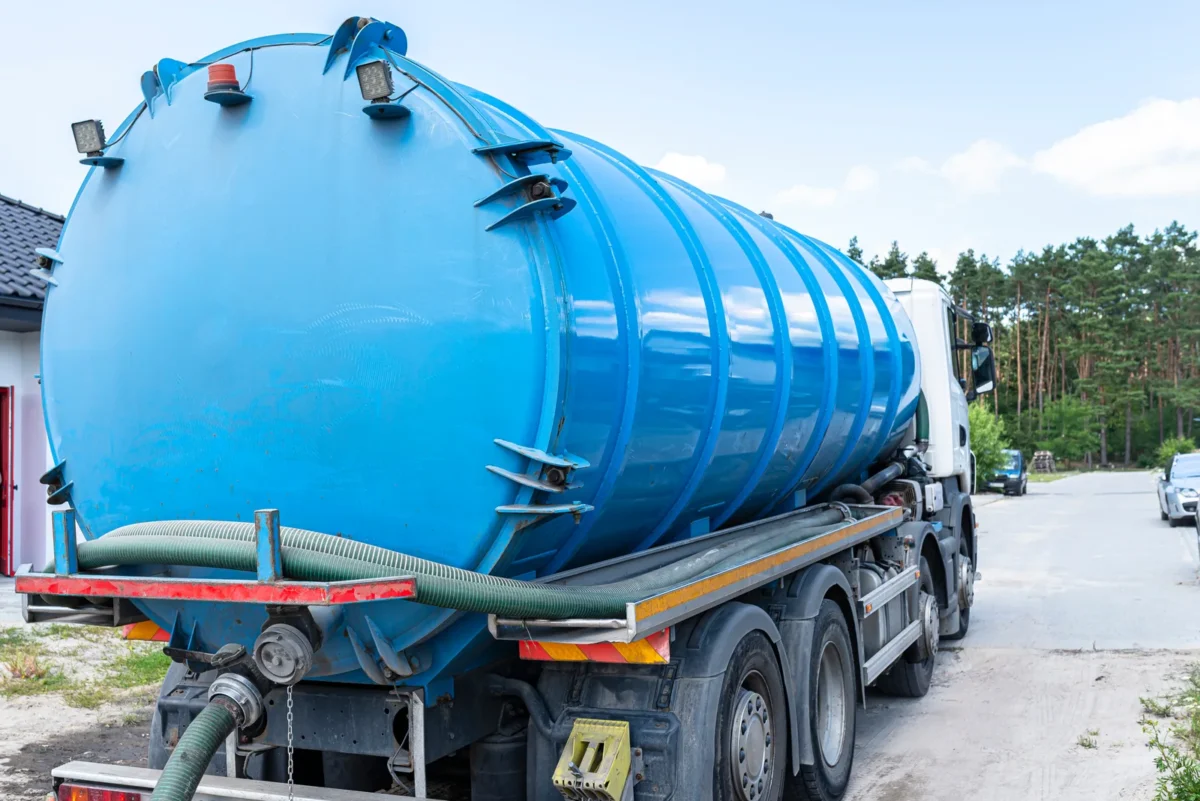
Large blue vacuum tanker with a connected suction hose

Effluent composition

The source, treatment history and available analysis help determine how the liquid can be handled and accepted.

System operation

Tanks that form part of a treatment process may need a defined lowering, refill or restart procedure.

Distinguish liquid recovery from solids removal

The liquid surface does not show the depth or consistency of settled solids. Fine sediment, fibrous residue and viscous sludge can require different handling. Removing the upper liquid may leave a substantial deposit below it.

The quote can therefore identify the volume to be recovered and the material that remains part of the job. Cleaning tank surfaces, dealing with compacted deposits and exposing a fitting for inspection are additional tasks that should be described separately from a straightforward liquid collection.

Plan around continuing production

Some effluent tanks continue receiving liquid while other work on site proceeds. The available storage, expected inflow and planned production sequence influence the timing of collection. Where production changes, a collection interval based on previous volumes may no longer fit.

Records of fill levels and collections provide a useful comparison. A sudden change can justify checking what entered the tank and whether the normal transfer arrangement has changed. Emptying reduces the stored contents; it does not establish the reason for an abnormal filling pattern.

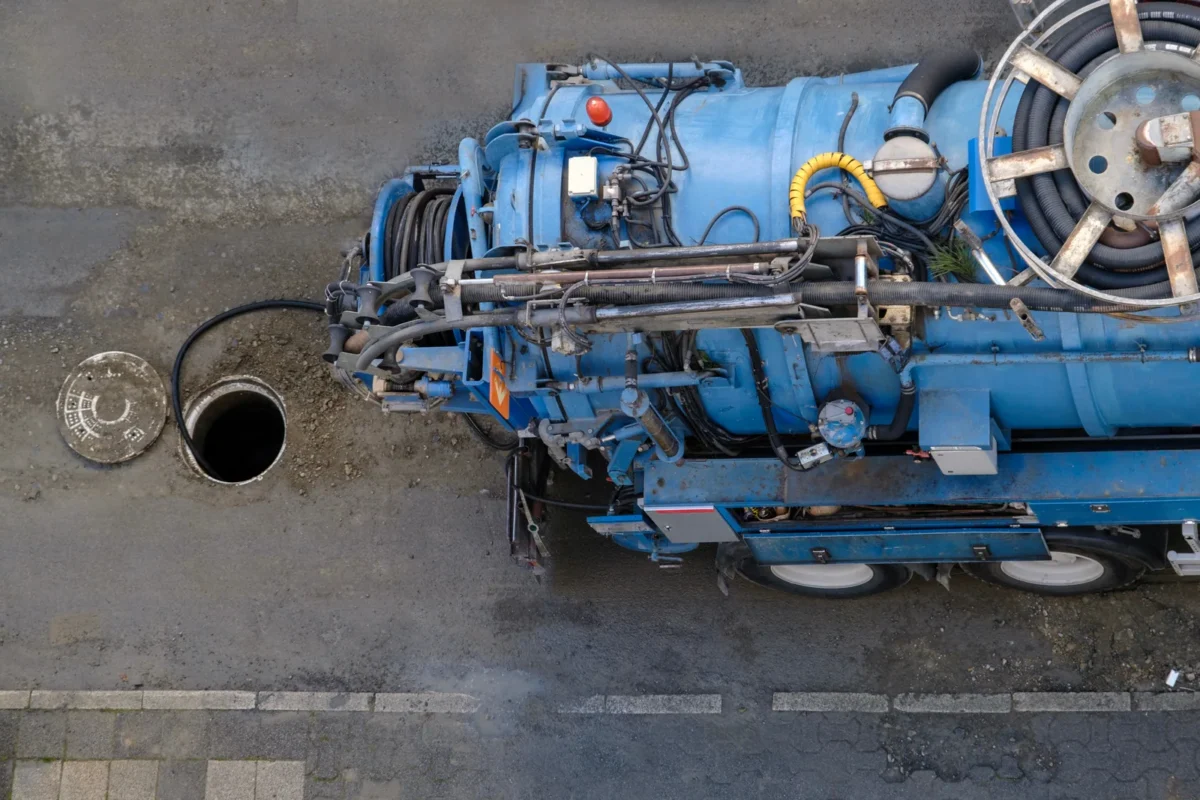
Overhead view of a vacuum tanker and an open drainage access chamber

Effluent tank emptying

Complete the form and we will get back to you.

Match the receiving facility to the waste

The waste must be described and classified according to its source and composition. Relevant information can include the producing process, contaminants, physical form and any available analysis. The Environment Agency’s waste classification technical guidance explains the assessment framework. The receiving facility must separately confirm that it can accept the classified waste under its applicable authorisations and acceptance requirements.

Any analysis should relate to the waste actually being collected, with changes since sampling identified. A description used for a previous collection may need review after a different product, cleaning operation or process incident has affected the tank.

Record what was removed and what remains

A useful handover identifies the tank and compartments attended, the collection date, the recovered material and the agreed documentation. It also distinguishes any deposit or inaccessible area that remains from work that has been completed.

That information supports the next collection and any separately planned tank cleaning or maintenance. It avoids assuming that a lowered level means the whole installation has been cleaned or that associated treatment equipment has been serviced.

Process Effluent Tank Emptying: common questions

Does process effluent mean the same thing at every site?

No. It depends on the process and substances involved. The collection needs a description of the actual liquid and solids rather than the tank name alone.

Will liquid pumping remove settled sludge?

Not necessarily. The consistency, depth and access to the deposit affect recovery. Solids removal needs to be included in the quote.

What if production cannot stop?

The collection plan needs to account for continuing inflow and available storage, together with the site’s operating arrangements.

Sewage Tank Cleaning

Services

Request a quote

Menu

Get a quote