

Industrial sewage tank cleaning removes deposits from tanks serving factories and other operating sites. Where process liquids also reach the tank, their current composition affects cleaning, handling and receiving-site acceptance.
Industrial Sewage Tank Cleaning
Industrial sewage tank cleaning where process inputs can change the contents, cleaning method and receiving requirements.
HomeIndustrial Sewage Tank CleaningIndustrial Sewage Tank Cleaning enquiry
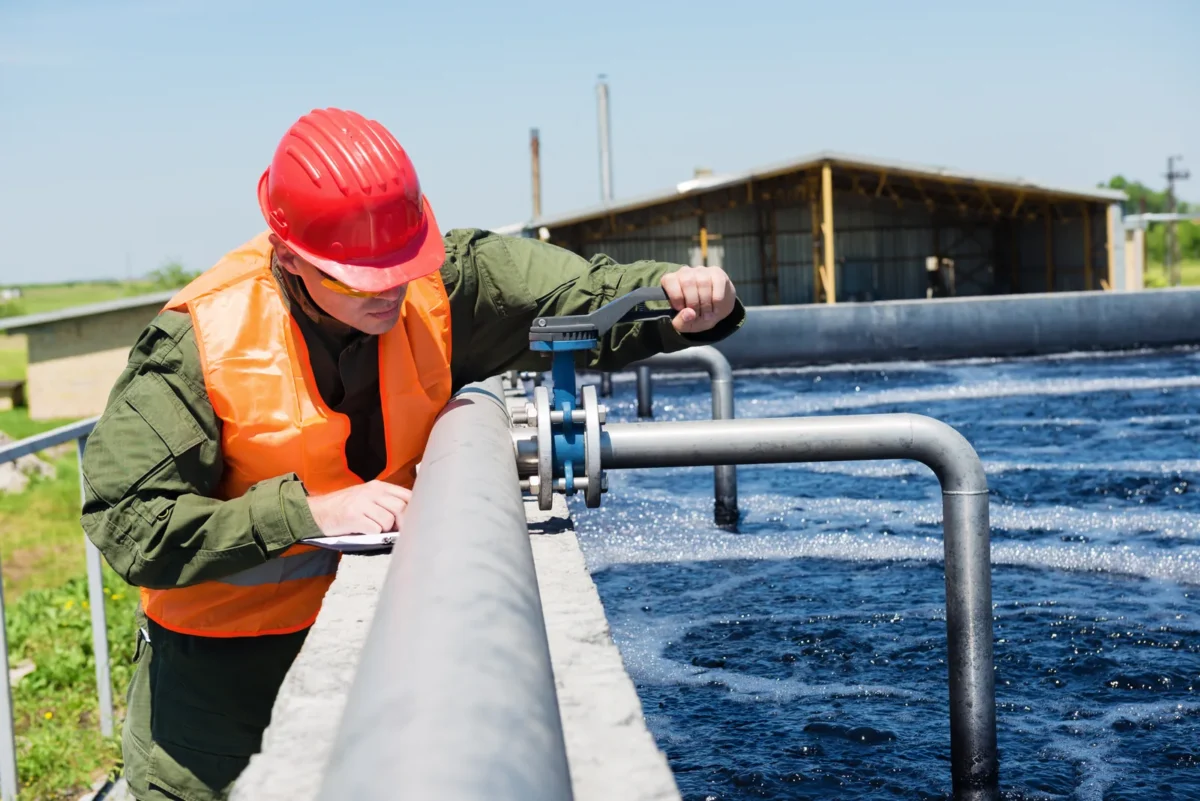
Process inputs
Production washings, oils, chemicals or solids can change the tank contents and the receiving requirements.
Operating plant
Incoming flows and hazardous equipment need suitable control and isolation during cleaning.
Welfare sewage and process inputs
A tank serving staff washrooms can differ from one connected to production or washdown areas. Drainage information, process changes and relevant analysis help establish whether the contents remain ordinary sewage or contain other material that affects handling.
Cleaning around plant operation
Production flows and connected equipment can continue sending liquid to the tank even during a shutdown elsewhere. Incoming flow has to be managed, and hazardous equipment must be suitably isolated where the cleaning requires access to it.
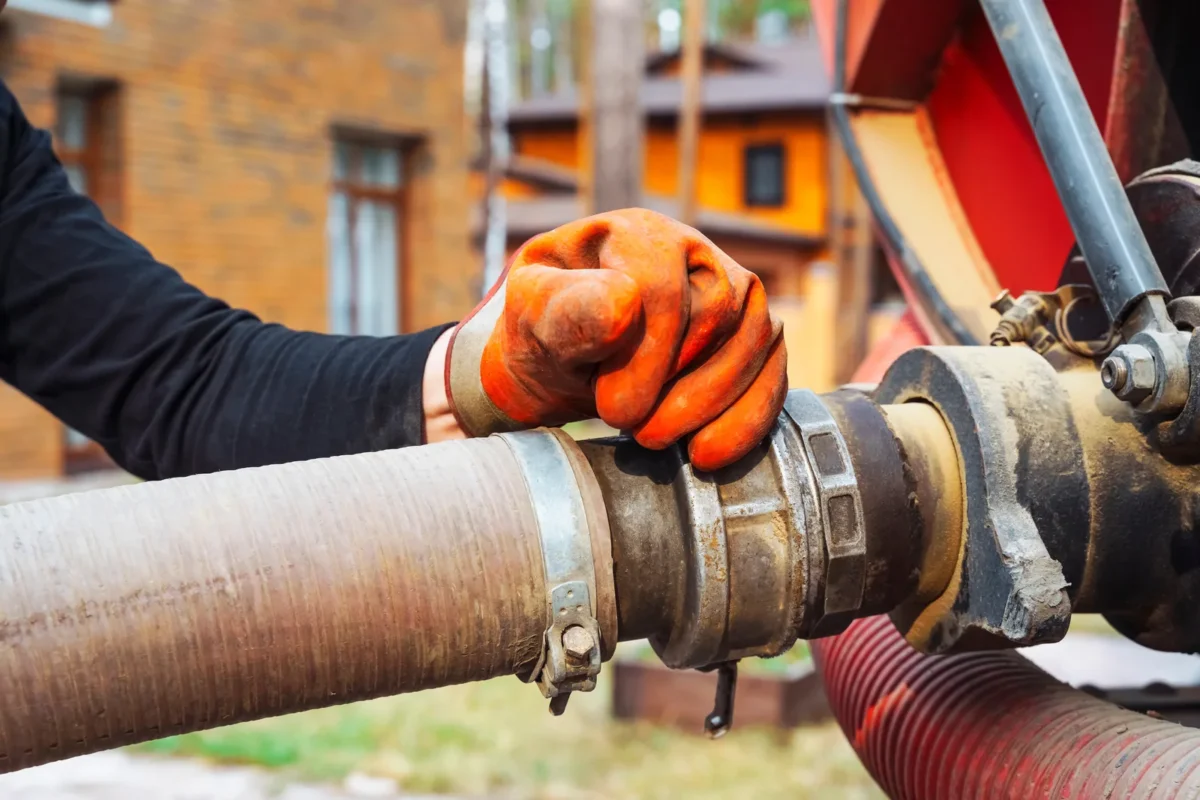
Industrial sewage tank cleaning
Complete the form and we will get back to you.
Waste and condition findings
The recovered material needs a receiving route suitable for its actual composition. Cleaning can also expose coatings, fittings or unusual deposits, but visible findings are not a substitute for mechanical, structural or discharge-compliance testing.
Process changes and tank contents
A new product, detergent or washdown process can change the tank contents even when the drainage layout is unchanged. Current process information should therefore be used instead of relying on an older waste description.
Where several drainage connections feed the tank, cleaning must avoid creating a new path for contamination or interfering with connected plant. Unusual material found during the work should be identified separately from the deposits removed.
Industrial Sewage Tank Cleaning: common questions
Can process flow continue into the tank during a shutdown elsewhere?
Yes. Connected processes can keep sending liquid to the tank even when another part of the site is shut down, so incoming flow must be accounted for during cleaning.
Does an industrial address make all tank contents hazardous?
No. Classification depends on the actual material and source, not the site label alone.
Does cleaning certify the process discharge?
No. Any consent, permit or discharge-quality assessment remains separate from tank cleaning.
Why do production changes matter before collection?
A new chemical, washdown or process can alter composition, compatibility and receiving-site acceptance.
Can process wastewater and welfare sewage always be mixed?
No. Existing mixing in a tank needs assessment, and separate streams should not be combined deliberately without considering compatibility and the receiving arrangement.