

Wet well cleaning removes sludge, grease, rags and other deposits from the chamber that receives sewage before pumping. The work is planned around the installed pumps and controls, incoming flow and the areas that need to be accessible for maintenance.
Wet Well Cleaning
Wet well cleaning removes sludge, grease and ragging from the chamber around wastewater pumping equipment.
HomeWet Well CleaningWet Well Cleaning enquiry
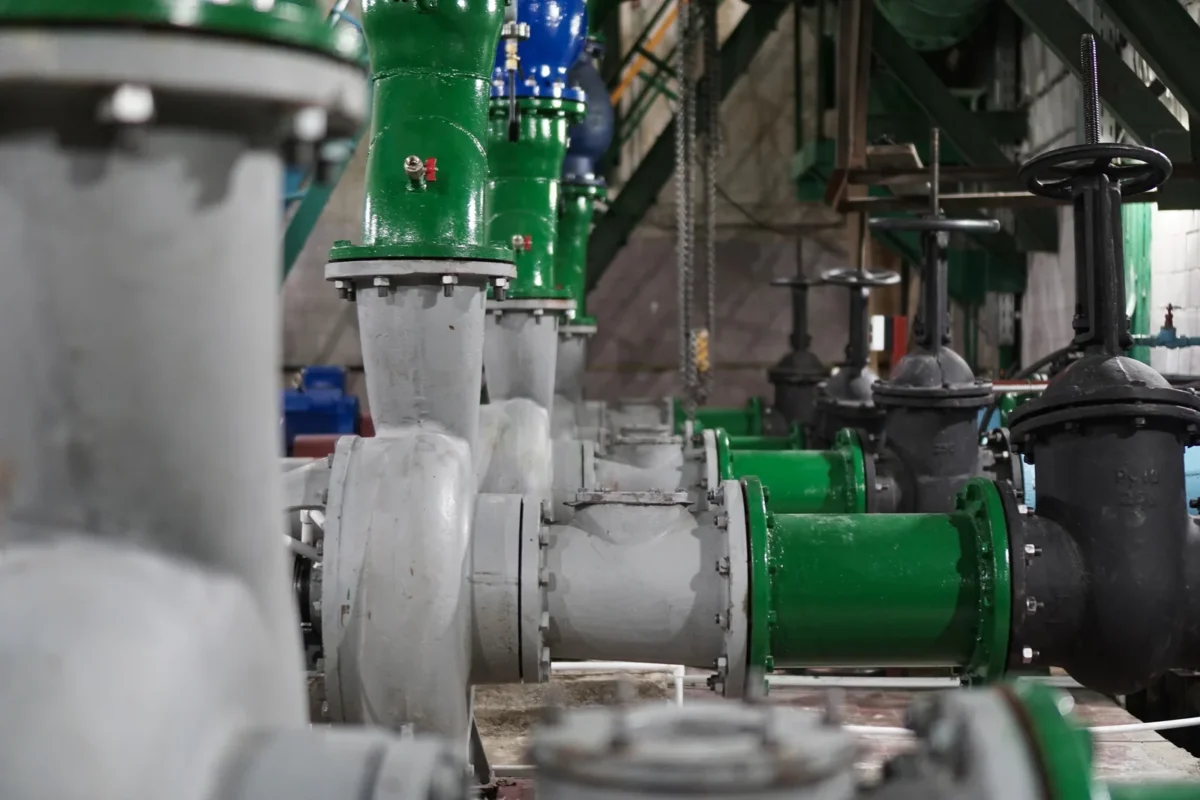
Deposits around equipment
Grit, grease and fibrous material can collect on the chamber floor and around pumps or level controls.
Incoming sewage
Flow into the wet well and safe equipment isolation must be managed while cleaning takes place.
Pump intake and level-control deposits
Settled grit can collect on the floor while grease and fibrous material gather around pump intakes, cables, floats or other level controls. Alarm history and the pattern of deposits can help show where cleaning is needed, but an alarm alone does not identify the cause.
Incoming flow and safe isolation
A wet well may continue to receive sewage during the work. Incoming flow must be managed and hazardous access to pumps or moving equipment requires suitable isolation against stored energy and inadvertent restart before cleaning or maintenance proceeds.
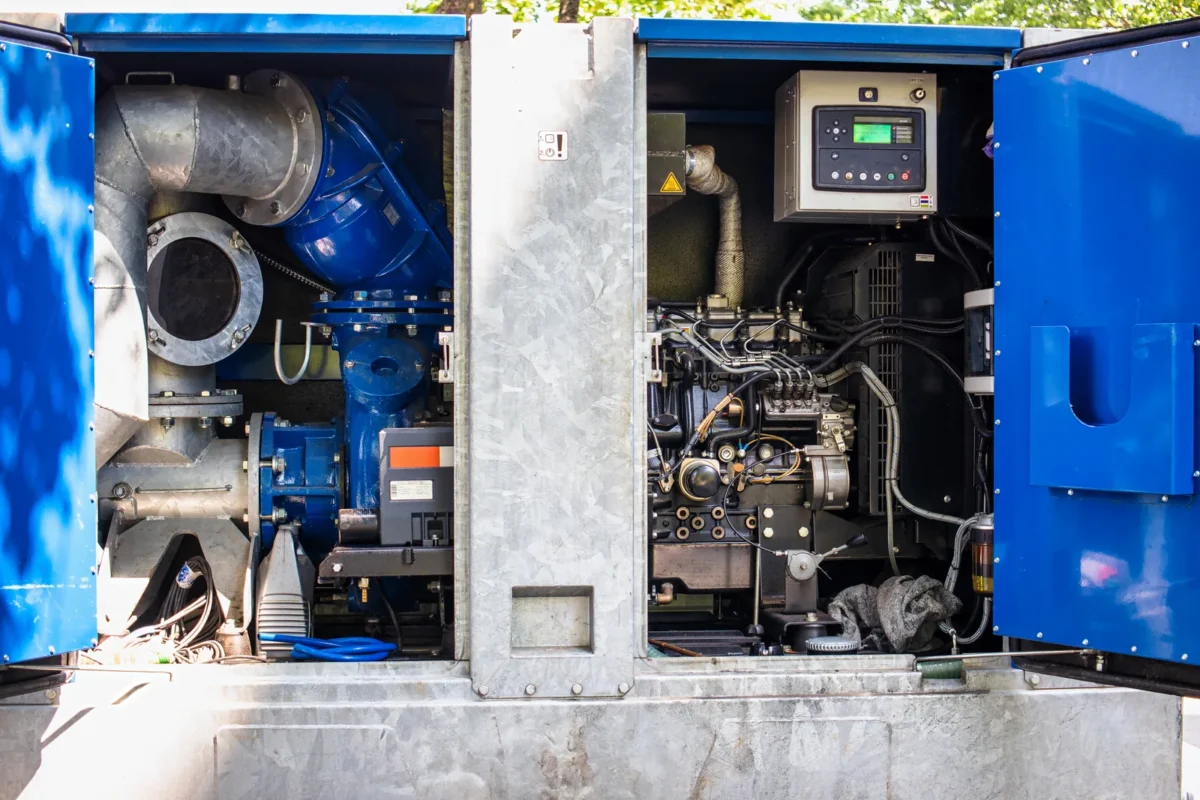
Wet well cleaning
Complete the form and we will get back to you.
Cleaning and servicing are separate
Pump servicing, alarm testing and return-to-service checks are separate tasks. Cleaning the chamber does not establish the mechanical or electrical condition of the station.
Recovery around installed equipment
Loosened material needs controlled recovery so it is not driven into pumps or other parts of the station. Cleaning around cables, floats and pump components must avoid damaging equipment that remains in place.
We record visible fouling, wear or damage found while deposits are removed, identifying the affected component for maintenance.
Wet Well Cleaning: common questions
How is incoming sewage managed while a wet well is cleaned?
Flow into the chamber has to be managed so the level does not overtake the work and safe access controls remain effective.
Does cleaning include removing or servicing the pump?
Not automatically. Pump lifting, de-ragging, servicing and electrical checks are separate tasks unless specifically included.
Can someone enter once the wet well has been pumped down?
No. Lowering the level does not establish a safe atmosphere. Any necessary entry requires confined-space assessment and controls.
What deposits can remain after pumping down?
Dense grit can remain on the floor, while grease and rags can stay attached to fittings, cables or level controls.
Does cleaning prove the pump station is working correctly?
No. Mechanical, electrical, alarm and control functions need the appropriate checks before they are relied on.