

Farm and agricultural tank emptying covers tanks serving rural premises. The contents need to be identified before collection because different farm and domestic liquids can require different handling.
Farm and Agricultural Tank Emptying
Farm and agricultural tank emptying for sewage, slurry and washings, with separate handling for each material.
HomeFarm and Agricultural Tank EmptyingFarm and Agricultural Tank Emptying enquiry
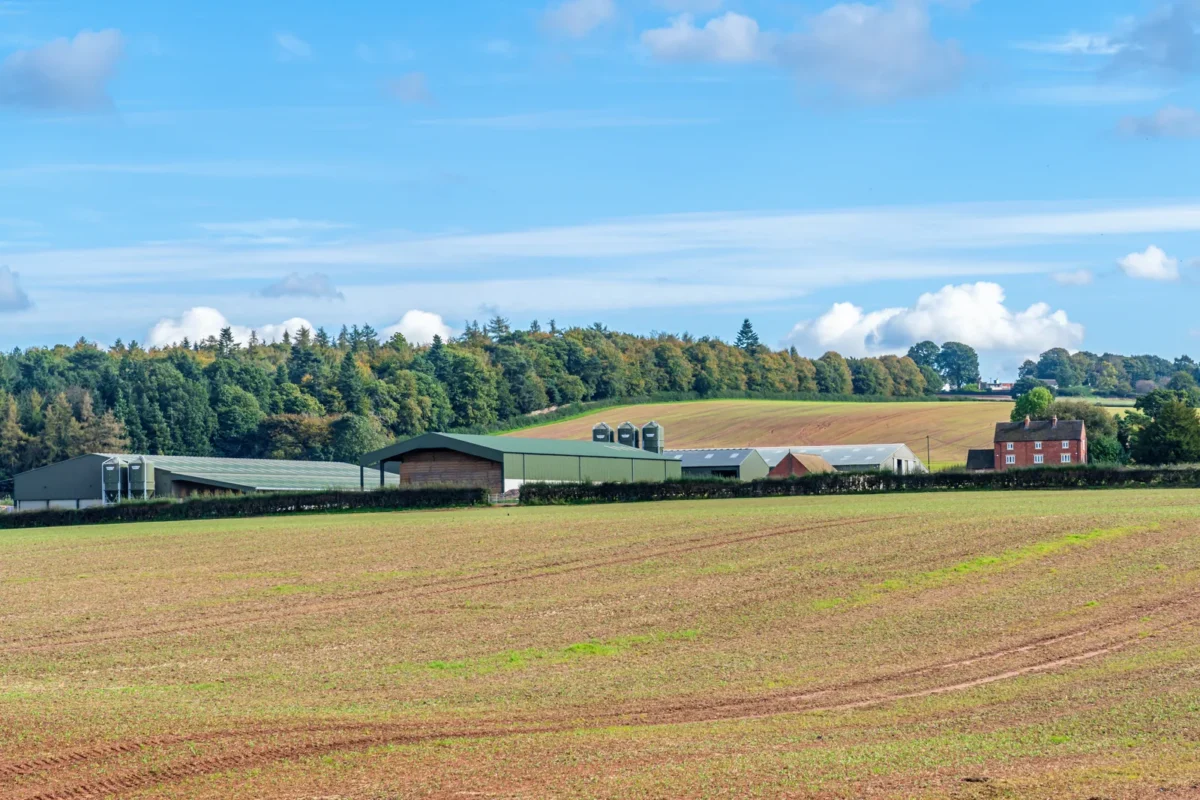
Separate waste streams
Domestic sewage, slurry and process washings can need different handling and receiving arrangements.
Gas and access hazards
Slurry disturbance can release dangerous gases, while farm ground conditions affect safe vehicle access.
Different tanks and waste streams
A farmhouse sewage tank, slurry store and dairy washings tank may serve unrelated activities. Connections, previous use and any chemicals added to the system help establish the identity of each tank and its contents.
Slurry gas and farm access
Disturbing slurry can release dangerous gases, including hydrogen sulphide. Odour is not a reliable safety warning. People and livestock need suitable separation, and confined-space work requires its own assessment and controls.
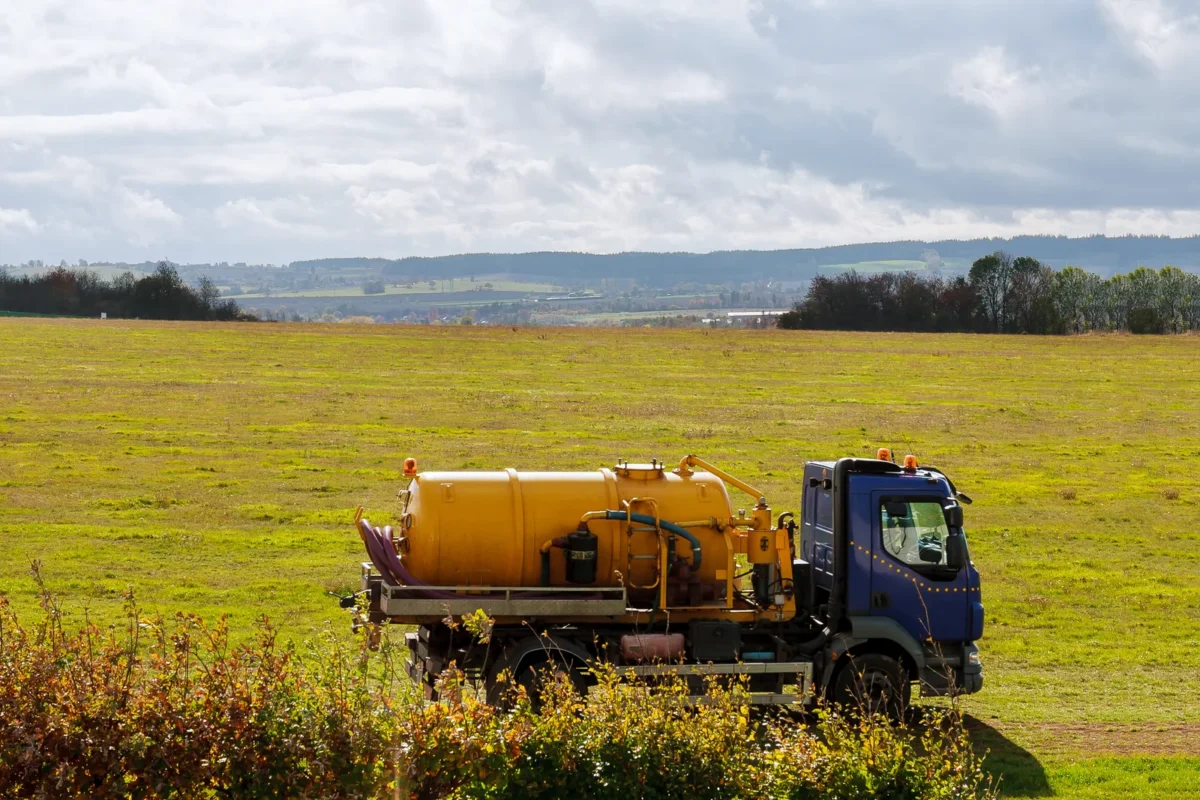
Farm and agricultural tank emptying
Complete the form and we will get back to you.
Receiving arrangements for the actual material
An agricultural location does not mean every liquid can be spread on land or sent to ordinary sewage treatment. The source, composition and applicable controls determine the receiving destination.
Keeping farm waste streams separate
Mixing domestic sewage with slurry or process washings can change compatibility, classification and receiving-site acceptance. Separate waste streams should therefore remain distinct unless the actual combined material has been assessed for the intended destination.
Farm vehicle access also changes with ground conditions, gates and ongoing activity. Vehicle access that works in dry conditions may not be suitable after heavy rain or during busy operations, so safe tanker standing needs to suit the actual surface without relying on a vulnerable tank or cover for support.
Farm and Agricultural Tank Emptying: common questions
Can farm sewage and slurry be treated as one waste stream?
No assumption should be made. They need separate identification and assessment because mixing can change handling and receiving requirements.
Is smell a reliable warning during slurry work?
No. Dangerous gas conditions cannot be judged safely by odour.
Does emptying authorise the contents to be spread on land?
No. The material and applicable land-use, waste or environmental requirements need separate assessment.
What needs to be separated from slurry or sewage work on a farm?
People and livestock need suitable separation from the work area, and vehicle access must remain suitable for the ground and site activity.
Can a tanker use any firm-looking area on a farm?
No. Ground strength, gradients, buried structures and the available access need to be suitable for the vehicle and operation.