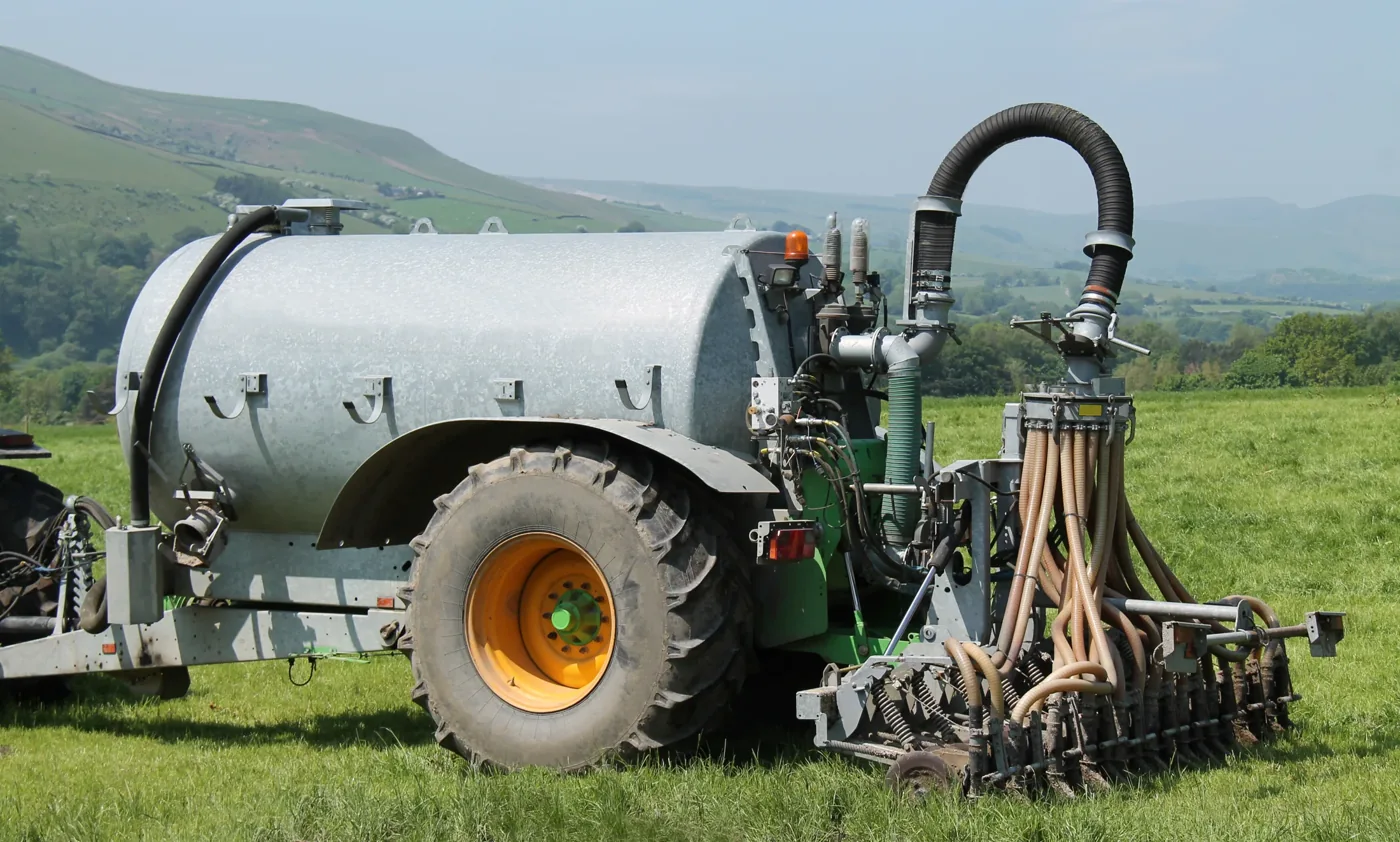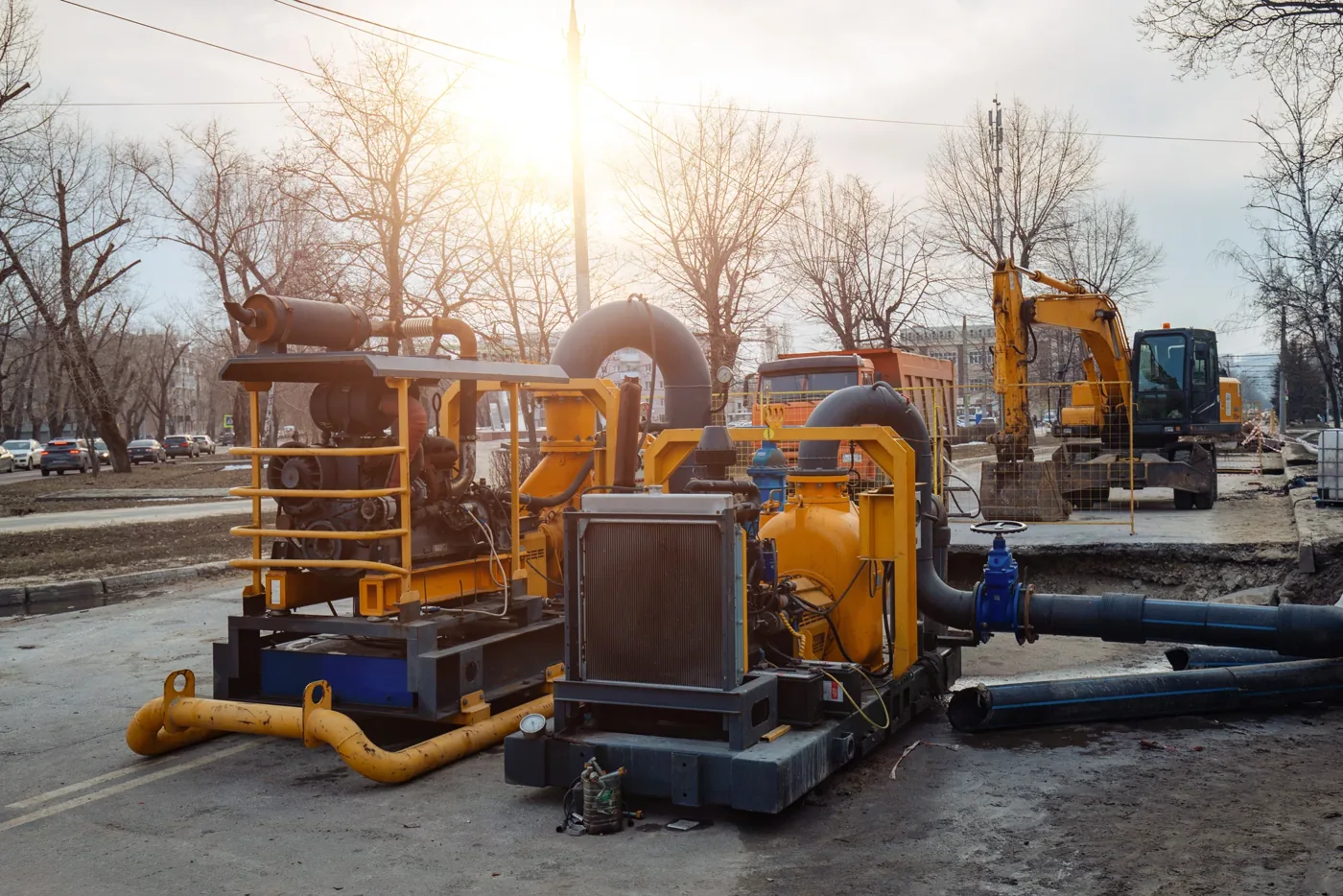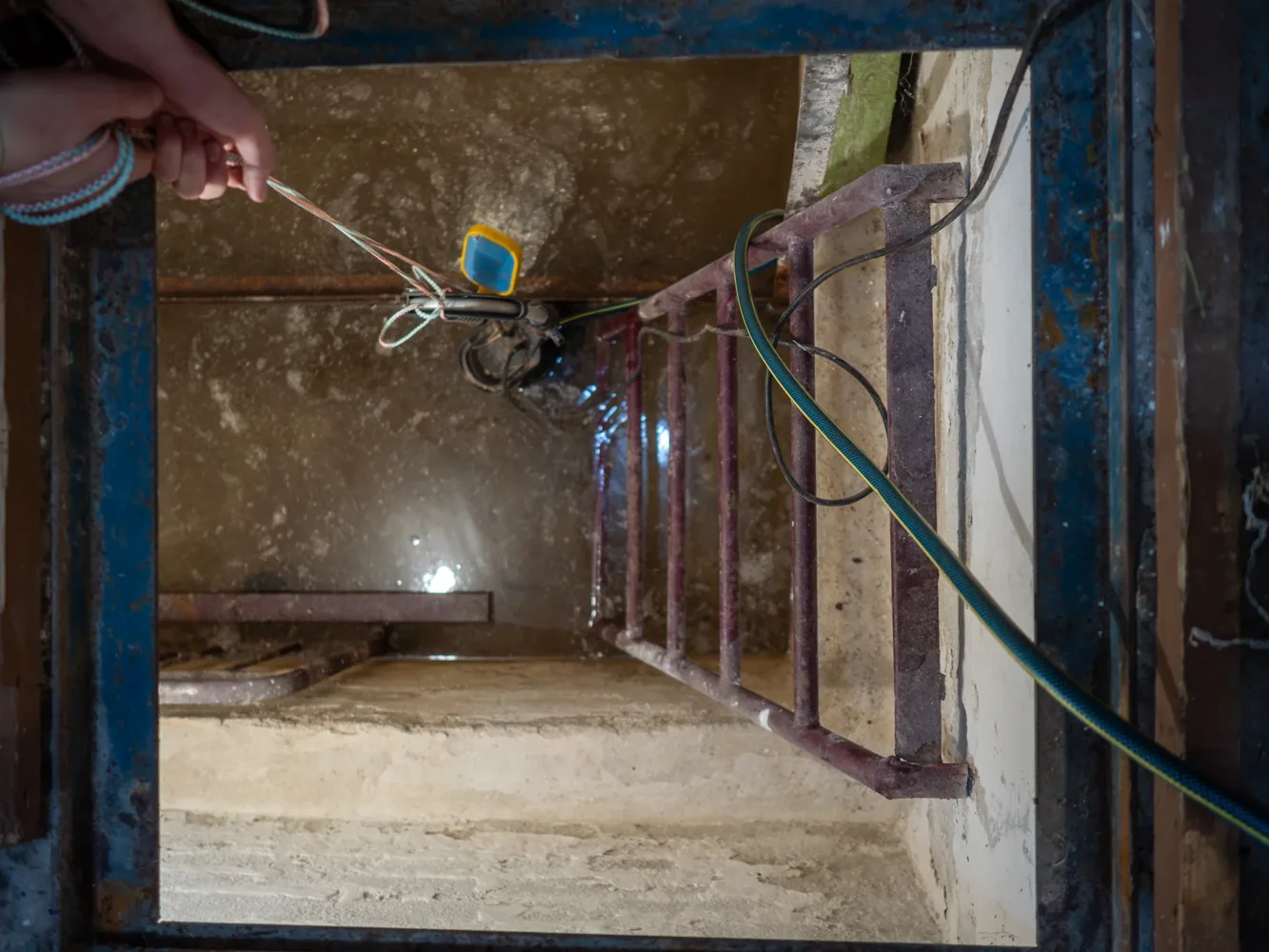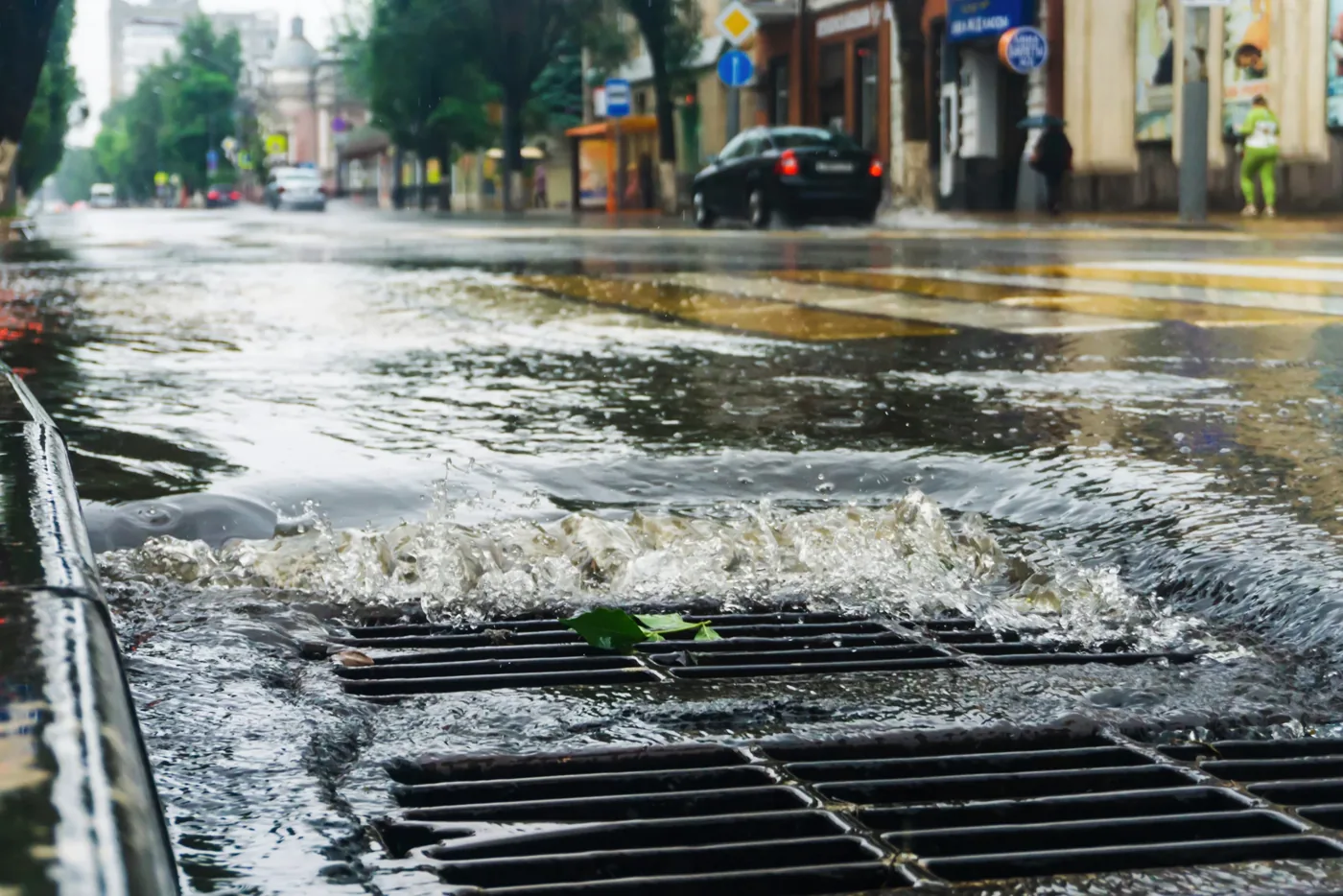
A commercial sewage tank can fill faster after heavy rain when groundwater or surface water enters the sewage system through defects, openings or unintended drainage connections. Rainwater adds to the normal volume of wastewater, causing the liquid level to rise more quickly even when toilets, kitchens and other facilities are being used at their usual rate.
However, not every rising tank level represents additional sewage entering storage. The explanation depends on whether the installation is a sealed holding tank, a treatment system or a pumping chamber with an outlet.
Is the rise related to rainfall or building usage?
Start by considering what normally enters the tank and how its contents leave.
A sealed commercial holding tank stores sewage until collection. Its liquid level should generally reflect the volume entering since the previous emptying. A treatment plant receives sewage but also has an outlet, while a pump chamber normally transfers wastewater onwards when its control system operates.
These differences matter because unusually high levels can indicate additional incoming water, restricted discharge or inadequate pumping. An intact sealed holding tank cannot fill directly from surrounding groundwater through its walls; unwanted water must reach it through an opening, defective connection or connected drainage system.
Compare the timing of the rise with the site’s operating pattern. A tank that fills faster during a busy production shift may be responding to genuine demand. A tank that rises during heavy overnight rain, when the premises have little occupancy, suggests another source of incoming water.
The key question is whether hydraulic loading, meaning the volume entering the system over time, has increased without a corresponding change in normal sewage production.
Where rainwater can enter a sewage system
Groundwater infiltration
Following prolonged rainfall, groundwater levels may rise around buried tanks and drainage pipes. Damaged joints, cracked chambers or defective connections can provide pathways for groundwater infiltration.
This water may enter gradually rather than appearing as a sudden surge. The effect can continue after rainfall stops because surrounding ground conditions do not necessarily return to normal immediately.
For an underground installation, the timing of recurring level increases can help identify whether infiltration is plausible. The precise defect still requires investigation.
Surface water ingress
Surface water can also enter through low-level covers, unsuitable chamber openings or drainage arrangements that allow runoff into the foul system.
Possible pathways include:
- Yard drainage connected incorrectly to sewage pipework.
- Damaged or poorly seated inspection-chamber covers.
- Rainwater entering exposed chambers during localised flooding.
- Roof drainage mistakenly connected to a private foul drainage system.
- Defective buried connections exposed to saturated surrounding ground.
The presence of these features does not establish a fault. Their position and connection to the foul system determine whether they can contribute to the problem. Rainwater entering a correctly separated surface-water drainage system would not, by itself, explain rising levels in a sewage holding tank.
Why different tanks respond differently
A sealed holding tank has no intended liquid discharge. Unexpected rainwater therefore occupies storage capacity that would otherwise be available for sewage.
For English cesspools, the Environment Agency’s guidance requires regular emptying and maintenance that prevents leakage or overflow. A commercial holding installation should be assessed according to its actual design and applicable requirements rather than assuming every tank is a cesspool.
In a pumping chamber, high levels after rainfall might instead result from additional inflow exceeding transfer capacity, a restriction downstream or a mechanical problem. The presence of rainwater is only one possible explanation.
When emptying helps and when investigation is needed
Emptying can restore available capacity in a holding tank and reduce an immediate risk of overflow. Commercial sewage tank cleaning may also address retained deposits where these are restricting usable storage or obstructing normal operation.
Neither action repairs a defective drainage connection or prevents groundwater entering again. If tank levels repeatedly rise after rain, investigating the incoming drainage and structural condition is important alongside managing current contents.
Property managers can compare rainfall dates, tank-level records, occupancy, collection history and, where available, pump run records to establish a useful pattern. Record levels at consistent intervals before, during and after rainfall. For holding tanks, compare the rise with expected sewage production; for pumping systems, compare inflow patterns with pump operation and discharge performance. The commercial holding tank emptying planner provides additional context for routine storage management, which should be distinguished from unexpected weather-related inflow.
The practical outcome is a decision between additional storage management, drainage repairs or pumping-system investigation, rather than assuming that more frequent emptying will resolve every wet-weather problem.