A sewage pump station that repeatedly triggers its high-level alarm may have restricted pumping capacity, excessive incoming flow or a faulty level indication. The alarm tells you that the monitoring system has detected a high level. It does not establish why that condition has occurred, or even whether the indicated level accurately reflects the sewage in the chamber.
For facilities managers, the important distinction is between sewage genuinely accumulating faster than it can be removed and an instrument reporting a level that is not present. Those situations require different responses.
High water level versus false indication
When an alarm activates, the first useful question is whether the actual chamber level agrees with the indication. Available control-panel readings, recorded level trends and information from a suitably positioned external level indicator may help an engineer establish this without entering the chamber.
If the sewage level is genuinely high, attention turns to the pumping system and incoming flow. If the level is normal, the sensing and alarm circuits need investigation.
Common sources of inaccurate readings include:
- Grease or sludge coating a level sensor and interfering with measurement.
- Ragging restricting the movement of a float switch.
- Damaged cables, unreliable electrical connections or instrument faults.
- Incorrect alarm settings or problems with the control system.
Level sensor fouling is particularly relevant where greasy wastewater or fibrous material enters the chamber. Cleaning may restore reliable measurement when deposits are responsible, but it will not resolve electrical or calibration faults.
Ragging, inflow and reduced pumping capacity
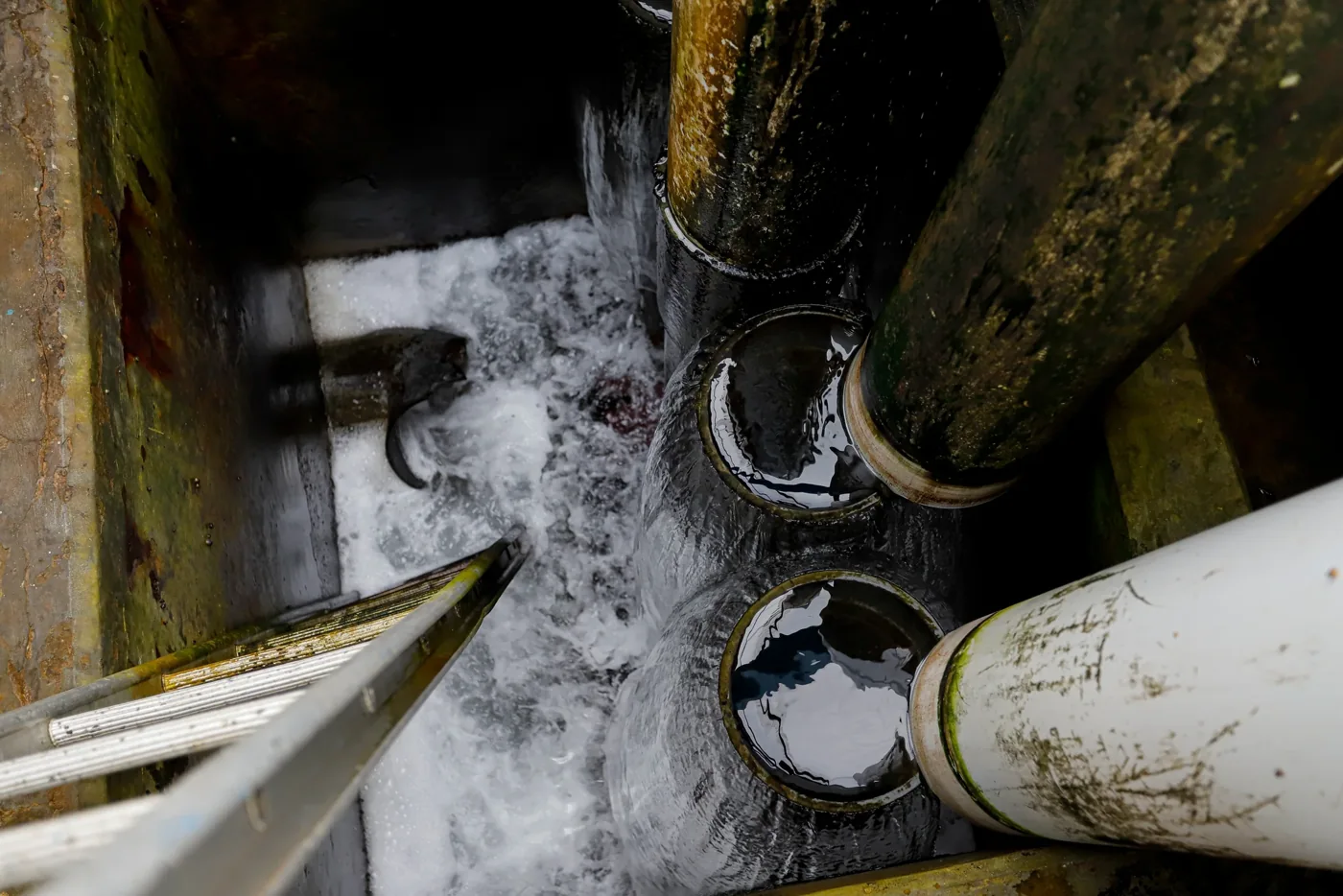
Where the high level is genuine, restricted pumping is one possible explanation. Wipes, cloth, string and other fibrous material can collect around pump intakes or become wrapped around the impeller, restricting its movement or reducing pumping efficiency. Grit and settled solids may also obstruct flow paths.
A pump can be running without delivering its expected volume. Motor operation alone therefore does not demonstrate that sewage is leaving the station at the required rate.
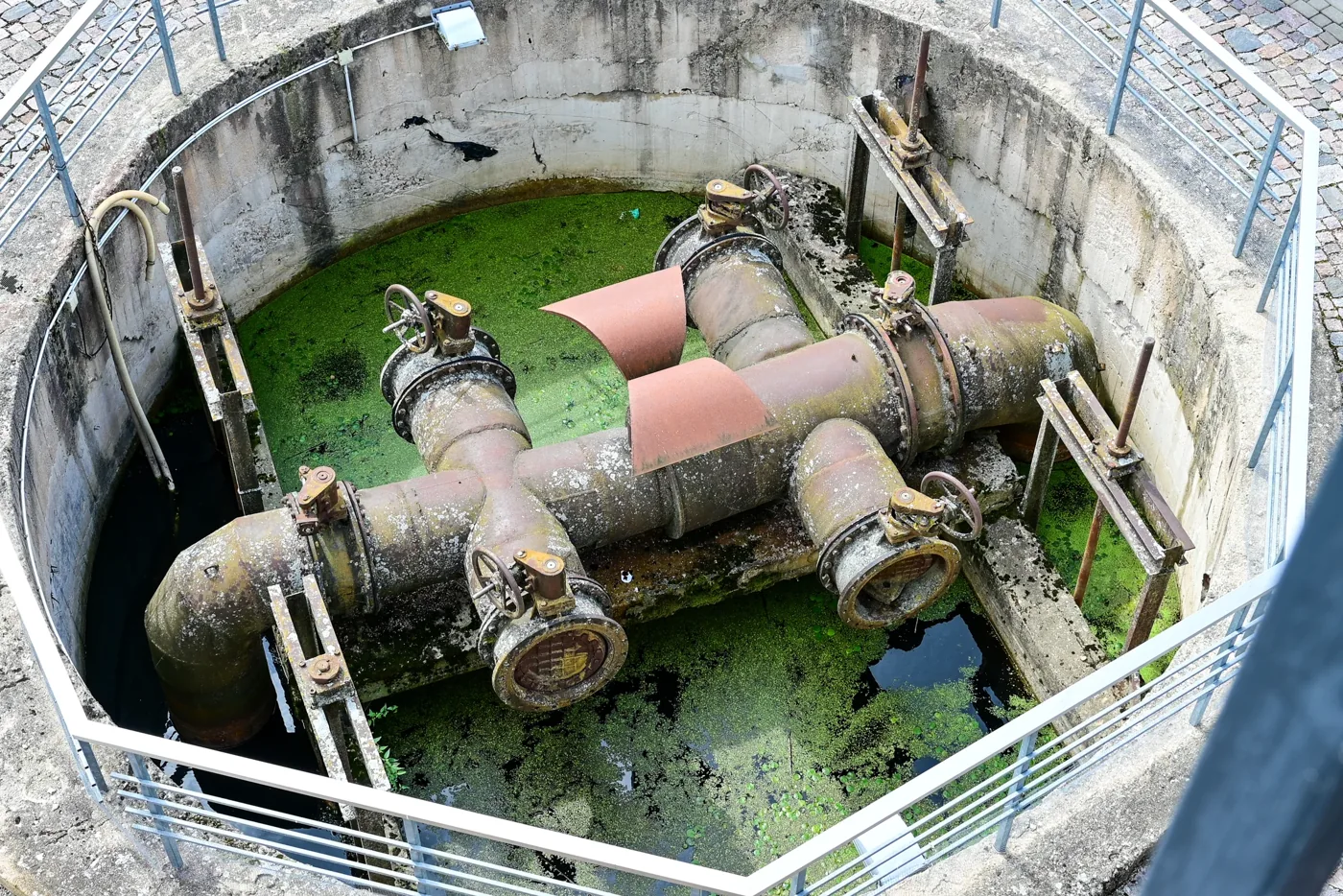
Other possible causes include a partially obstructed discharge pipe, a faulty non-return valve or deterioration of mechanical components. These need engineering assessment rather than an assumption that chamber cleaning will solve the problem.
Incoming flow must also be considered. Heavy rainfall can increase flow where surface water or groundwater enters the foul drainage network. Changes in site occupancy, production activity or connected facilities can similarly raise demand.
If inflow temporarily exceeds the station’s effective pumping capacity, the level can rise even when the pumps operate correctly. Comparing alarm times with rainfall, operating schedules and pump run records may reveal a useful pattern.
When cleaning is the appropriate response
Sewage pump station cleaning is relevant when accumulated sludge, grit, grease or fibrous waste is obstructing flow through the chamber, restricting pump intakes or interfering with level controls.
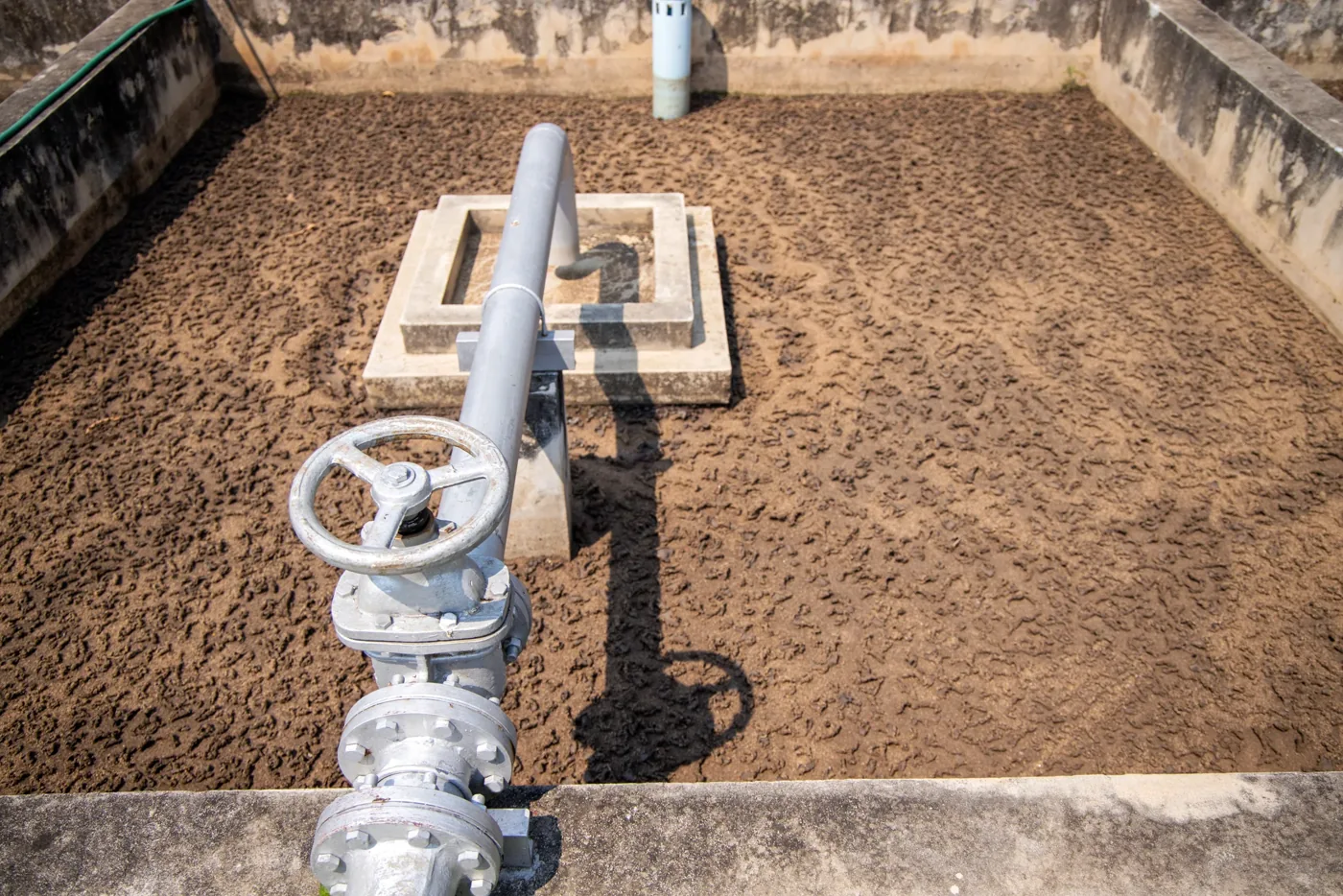
The condition of the chamber matters because deposits can progressively reduce its usable volume. This may shorten the interval between pump starts and allow levels to rise more quickly during periods of increased inflow.
Where significant ragging is identified, the specific obstruction may also require pump station de-ragging. The work required depends on the location and nature of the material.
When engineering investigation is necessary
Cleaning is unlikely to correct a damaged motor, defective control equipment, unsuitable pump duty or failed discharge valve. Persistent alarms following deposit removal point towards further investigation of pump performance, sensing accuracy and system capacity.
Repeated alarms should be assessed using the sequence of events: when the level rises, whether pumps start, whether the level subsequently falls and how quickly the alarm returns.
Chamber access is a separate consideration. Sewage pumping chambers can present hazardous atmospheres and other confined-space risks. The Health and Safety Executive’s confined-space guidance explains the controls needed where confined-space work cannot be avoided.
The investigation should establish whether the alarm is caused by accumulated material, a pump or control fault, or incoming flow exceeding the station’s effective capacity. That distinction determines whether deposit removal, engineering repairs or investigation of the connected drainage system is the appropriate next step.